

Innovative Finance
August 1, 2024

Created On March 12, 2024 | Last Modified On June 15, 2025
Share on:


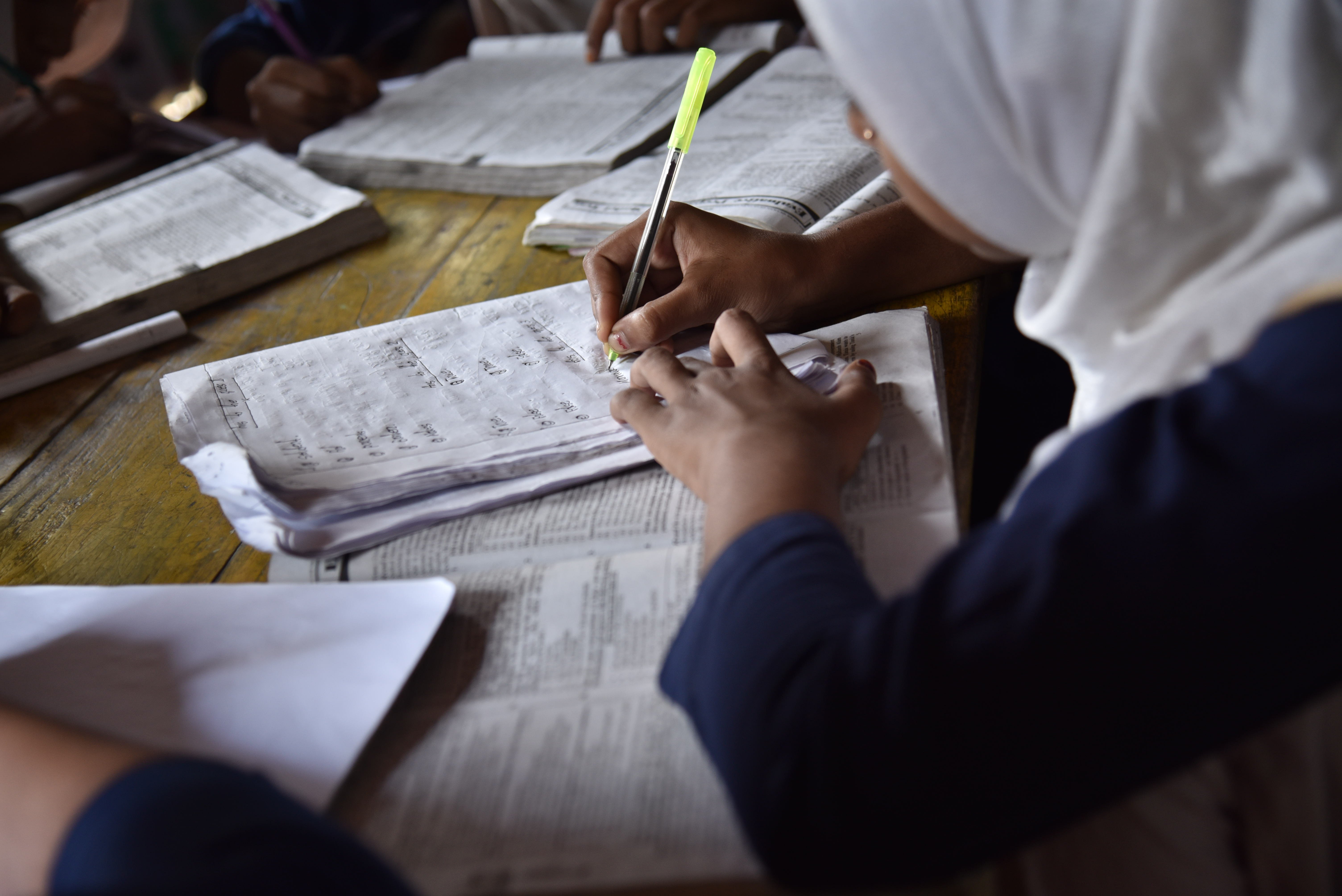
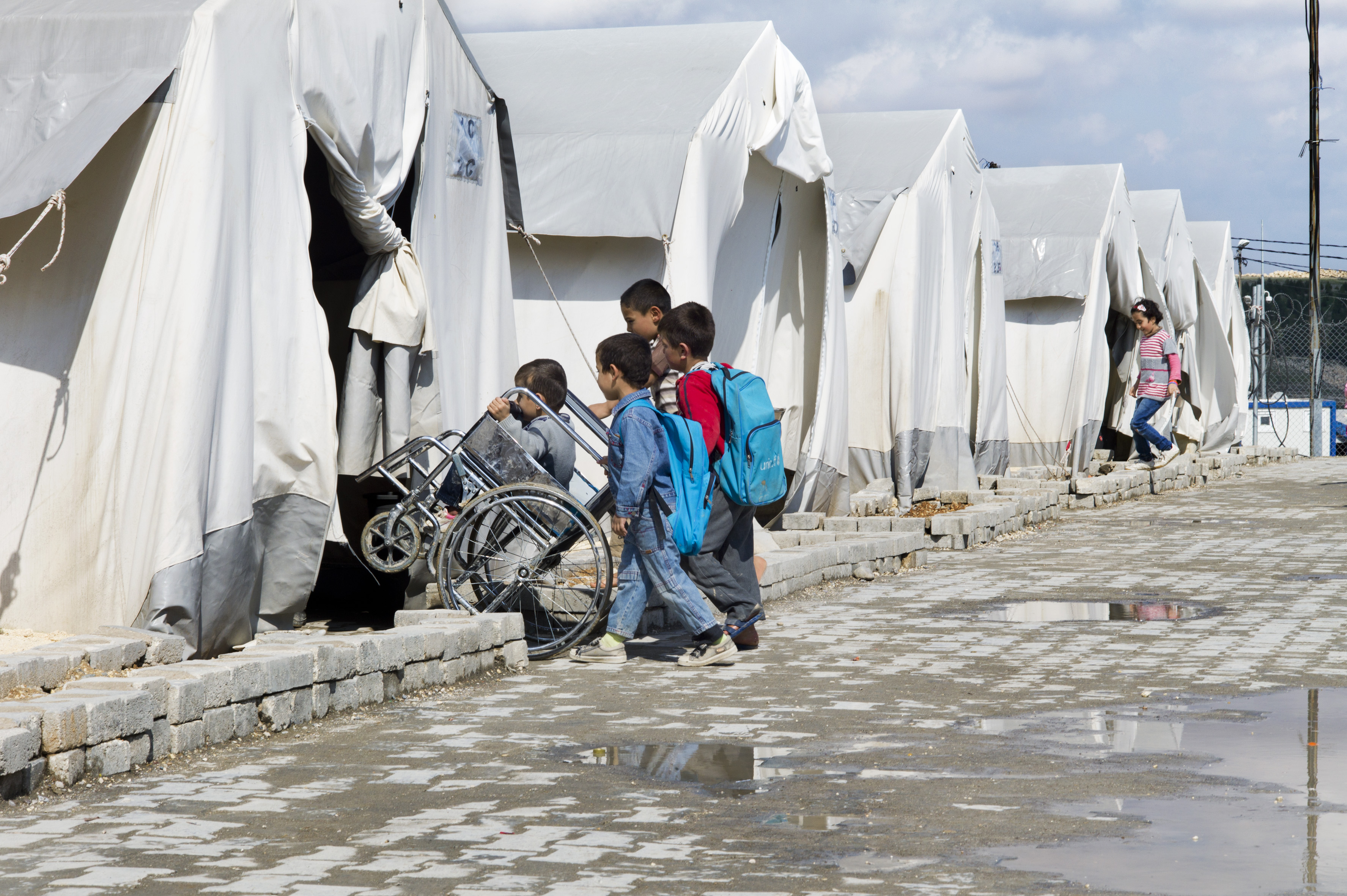
Bangladesh has made significant strides in primary education, with enrollment rates reaching 97.7 percent in 2014 and gender parity achieved. However, challenges persist as approximately 2.6 million children remain out of school, hindered by poor infrastructure, low-quality education, and poverty.
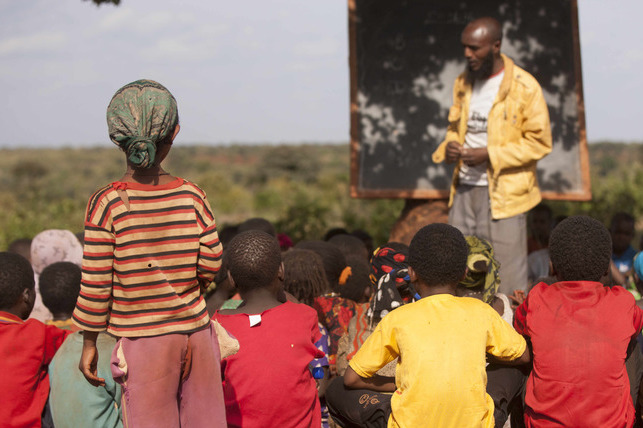
To address this, BRAC initiated the nationwide Bride School Programme to enroll 60,000 vulnerable out-of-school children (OOSC) in quality primary education over five years. Operating in urban slums and hard-to-reach areas, the project focuses on enrolling dropouts, ensuring retention, and providing holistic education. Bridge Schools offer a condensed curriculum and co-curricular activities to accelerate primary education completion for students aged 8-10.
The initiative has surpassed expectations, enrolling 72,196 OOSC with a retention rate of 91.96%, exceeding the target of 60,000. Through community engagement and teacher training, BRAC fostered ownership of education, increasing awareness and support within communities. Despite challenges like the COVID-19 pandemic, efforts to provide remote learning support showcase the project's adaptability and commitment to education.
The success of the Bride School Programme highlights the effectiveness of tailored interventions in addressing barriers to education in Bangladesh. By prioritizing community engagement and teacher capacity development, BRAC achieved its enrollment targets and instilled a sense of ownership and responsibility towards education within local communities. However, infrastructure limitations and socioeconomic disparities persist, underscoring the ongoing need for sustainable solutions and continued investment in education.

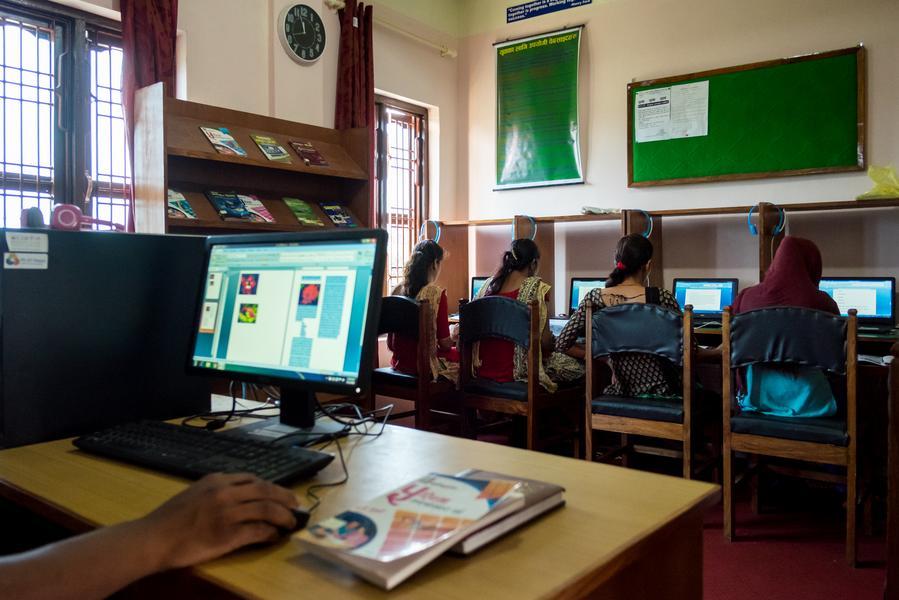
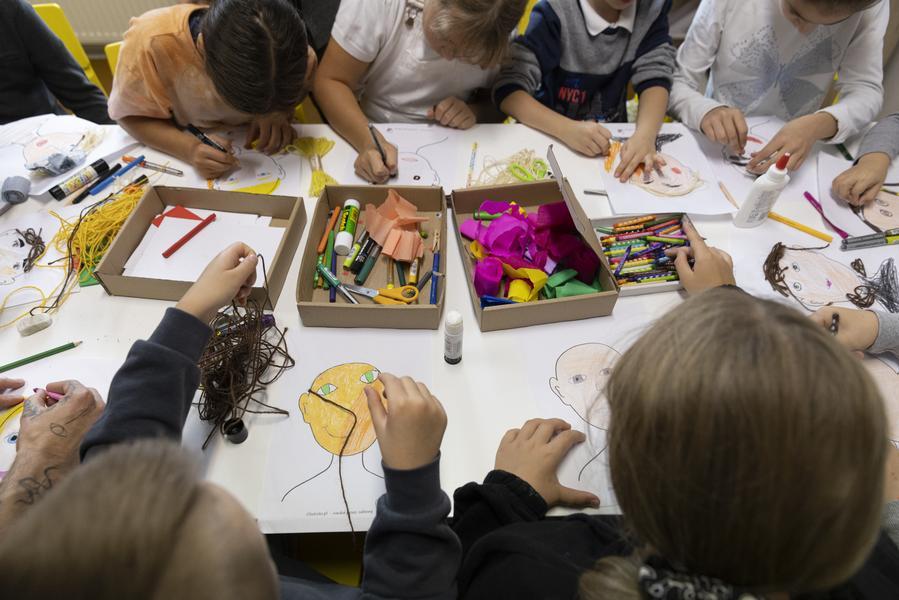
Curriculum & Instruction Policies advocate for adopting Innovative Pedagogical Approaches that promote student-centered learning, critical thinking, creativity, and problem-solving skills. These approaches may include project-based, inquiry-based, flipped classrooms and experiential learning opportunities that engage students in active exploration and discovery. By embracing innovative pedagogies, educational institutions can foster a culture of lifelong learning and empower students to become self-directed, lifelong learners.
