







Innovative Finance
August 1, 2024

Innovative finance in the education sector aims to leverage new funding sources and mechanisms to improve educational outcomes and access. This policy brief explores various innovative financial instruments, their potential benefits, challenges, and provides recommendations for stakeholders. By incorporating strategies such as impact investing, public-private partnerships, and results-based financing, the education sector can address funding gaps to ensure reduction in out of school children and enhancement in the quality of education.

Quality and accountability Policies promote Curriculum Standardization and Enhancement to ensure consistency, coherence, and alignment with academic standards and educational goals. Standardized curricula provide clear learning objectives, content expectations, and instructional guidelines that guide teaching and learning across classrooms and schools. Curriculum enhancement efforts may involve updating curriculum materials, incorporating new research and best practices, and integrating relevant and engaging content to meet the needs of diverse learners. By standardizing and enhancing the curriculum, educational institutions can maintain high-quality standards and promote equitable access to rigorous and relevant education for all students.
These policies emphasize the importance of Teacher Professional Development Programs to support educators in improving their instructional practices and enhancing student learning outcomes. Professional development programs may include workshops, seminars, coaching, and mentoring opportunities focusing on pedagogical strategies, content knowledge, assessment practices, and cultural competence. By investing in ongoing professional development, schools can ensure that teachers have the skills, knowledge, and resources to deliver high-quality instruction and support student success.
Quality and accountability Policies prioritize developing and using Student Assessment and evaluation Tools to measure student learning outcomes and inform instructional practices. Assessment tools may include standardized tests, formative assessments, performance tasks, and portfolios that assess students' mastery of academic standards and competencies. Evaluation tools provide teachers, administrators, and policymakers with data on student progress, strengths, and areas for improvement. By using assessment and evaluation data effectively, educators can tailor instruction to meet individual student needs and drive continuous improvement in teaching and learning.
These policies advocate for implementing Performance-Based Funding Models that tie financial support for educational institutions to their performance outcomes. Under these models, funding allocations may be based on metrics such as student achievement, graduation rates, post-secondary readiness, and other indicators of educational effectiveness. Performance-based funding incentivizes schools to focus on improving student outcomes and encourages accountability for results. These models promote efficiency, equity, and accountability in resource allocation by aligning funding with performance goals.
Quality & Accountability Policies establish School Accreditation & Evaluation Systems to assess and ensure the quality of educational institutions and programs. Accreditation processes involve rigorous evaluations conducted by external accrediting bodies to determine whether schools meet established standards of quality and effectiveness. Evaluation systems may include criteria such as curriculum rigor, instructional quality, student achievement outcomes, and school leadership practices. By holding schools accountable for meeting predetermined standards, accreditation and evaluation systems promote continuous improvement and accountability in education.
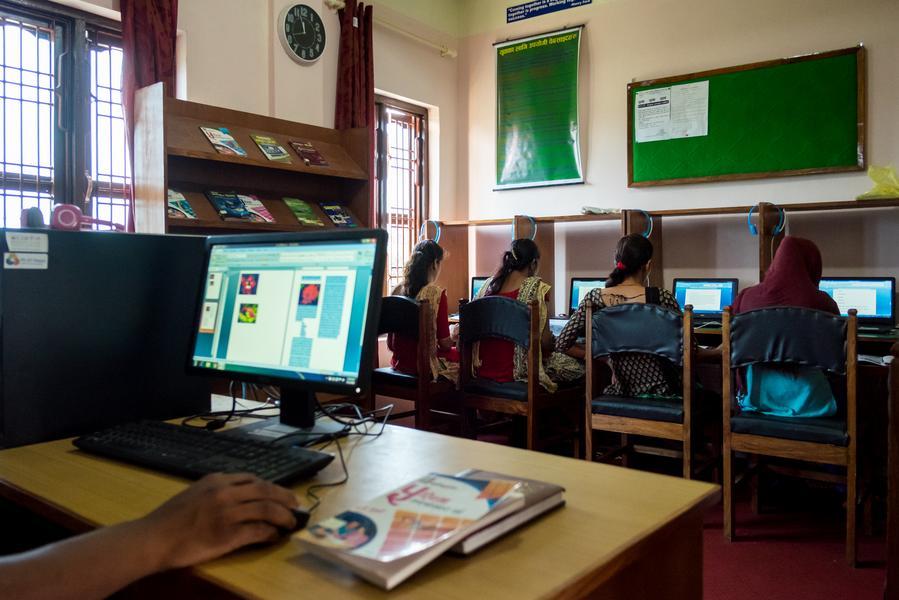
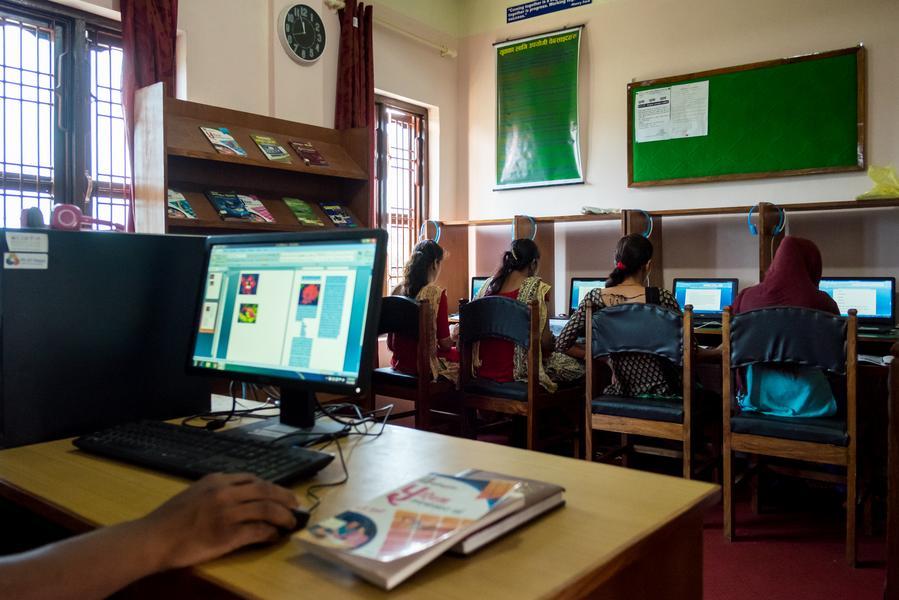
These policies emphasize the importance of Digital Literacy & Technology Integration in preparing students to thrive in a digital world. Digital literacy initiatives provide students with the knowledge, skills, and competencies to navigate, evaluate, and responsibly create digital content. Technology integration involves incorporating digital tools, resources, and platforms into teaching and learning activities to enhance engagement, collaboration, and productivity. By promoting digital literacy and technology integration, educational institutions can empower students to become effective digital citizens and leverage technology for learning, communication, and creativity.
Curriculum & Instruction Policies advocate for developing Multicultural and Inclusive Curriculum Projects that reflect the diversity of students' backgrounds, experiences, and identities. These projects integrate diverse perspectives, voices, and cultural content into the curriculum to promote cultural competence, empathy, and global citizenship. Multicultural and inclusive curriculum projects may incorporate literature, history, art, and other subjects representing diverse cultures and perspectives. By embracing multicultural and inclusive education, educational institutions can create learning environments that honor and celebrate diversity and promote equity and inclusion for all students.
These policies prioritize the implementation of STEM (Science, Technology, Engineering, and Mathematics) Education Initiatives to cultivate students' interest and proficiency in STEM disciplines. STEM education emphasizes hands-on, inquiry-based learning experiences that integrate concepts and skills from multiple disciplines to solve real-world problems. STEM initiatives may include STEM-focused curriculum development, professional development for educators, STEM enrichment programs, and partnerships with industry and research institutions. By promoting STEM education, these policies aim to prepare students for careers in high-demand fields and foster innovation and technological advancement.