







Innovative Finance
August 1, 2024

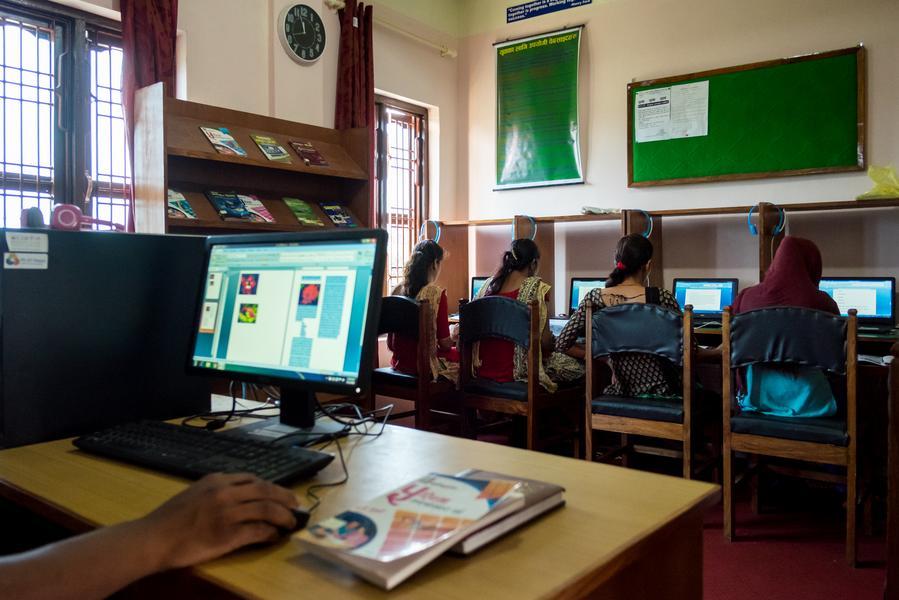
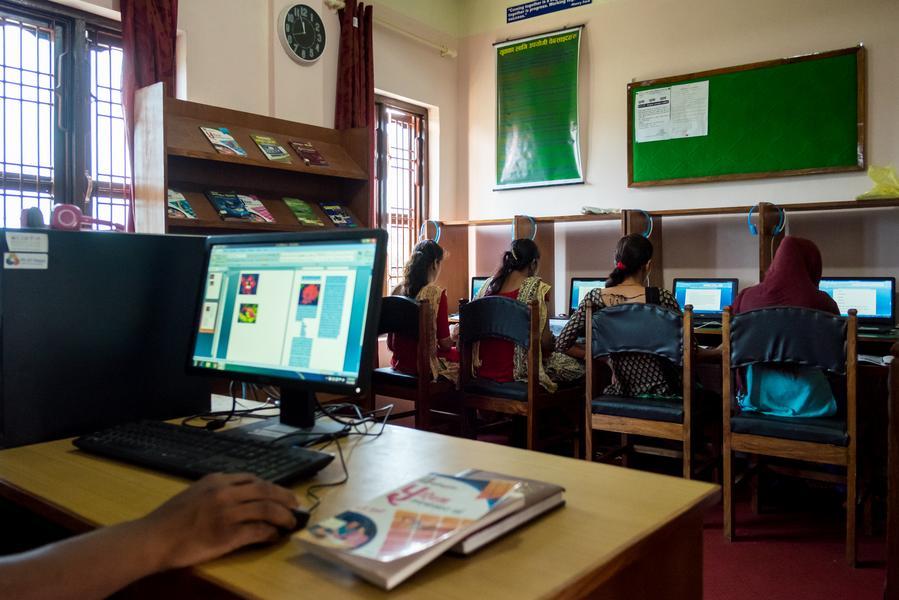
These policies prioritize allocating resources to support the integration and utilization of Educational Technology in educational settings. This funding may cover acquiring hardware, software, digital learning platforms, internet connectivity, and professional development for educators related to technology integration. By investing in educational technology, institutions can enhance teaching and learning experiences, facilitate personalized learning, and prepare students with essential digital skills for the future workforce.

Career counseling services offer guidance on career exploration, skill assessment, resume writing, interview preparation, and job search strategies. Job placement services facilitate connections between individuals and employers, helping them secure internships, apprenticeships, and full-time employment opportunities that match their skills and interests.
Workforce Development & Vocational Education Policies support the development of Industry-Specific Training Programs tailored to the needs of specific sectors and occupations. These programs provide targeted training and skill development opportunities that directly align with the requirements of industries such as healthcare, manufacturing, information technology, or construction. Industry-specific training programs equip individuals with specialized skills and knowledge that are highly valued in the workforce, increasing their employability and career prospects.
These projects may include scholarships, financial aid programs, outreach initiatives, and support services to reduce barriers to entry and promote equitable access to higher education opportunities. By addressing socioeconomic, geographic, and systemic barriers, these policies ensure that all individuals can pursue higher education and lifelong learning, regardless of their circumstances.
These programs combine classroom instruction with on-the-job training, allowing participants to develop valuable skills, earn industry-recognized certifications, and gain relevant work experience. Integrating vocational training and apprenticeship programs into the higher education landscape, these policies help bridge the gap between education and employment and equip individuals with the skills needed to succeed in high-demand fields.
These initiatives may include adult education programs, continuing education courses, professional development workshops, and certificate programs designed to meet the needs of adult learners and working professionals. By offering flexible and accessible learning opportunities, these initiatives enable individuals to acquire new skills, enhance their qualifications, and adapt to changing career demands.
These policies may include government grants, scholarships, and research funding programs to advance knowledge creation, technological innovation, and scientific discovery. By investing in research and innovation, higher education institutions can contribute to economic growth, drive technological advancements, and provide students with valuable research opportunities and experiences.
These partnerships may involve joint research projects, internship opportunities, curriculum development initiatives, and industry-sponsored training programs. By engaging with industries, academic institutions can ensure that their programs are relevant and up-to-date and equip students with the skills and knowledge required for success in the workforce.
These services may include counseling sessions with trained professionals, support groups, and resources for coping with stress, anxiety, depression, and other mental health challenges. Additionally, these policies may prioritize destigmatizing mental health issues, raising awareness, and promoting positive mental health practices throughout the school community.