




Innovative Finance
August 1, 2024

Created On December 16, 2024 | Last Modified On December 30, 2024
Share on:



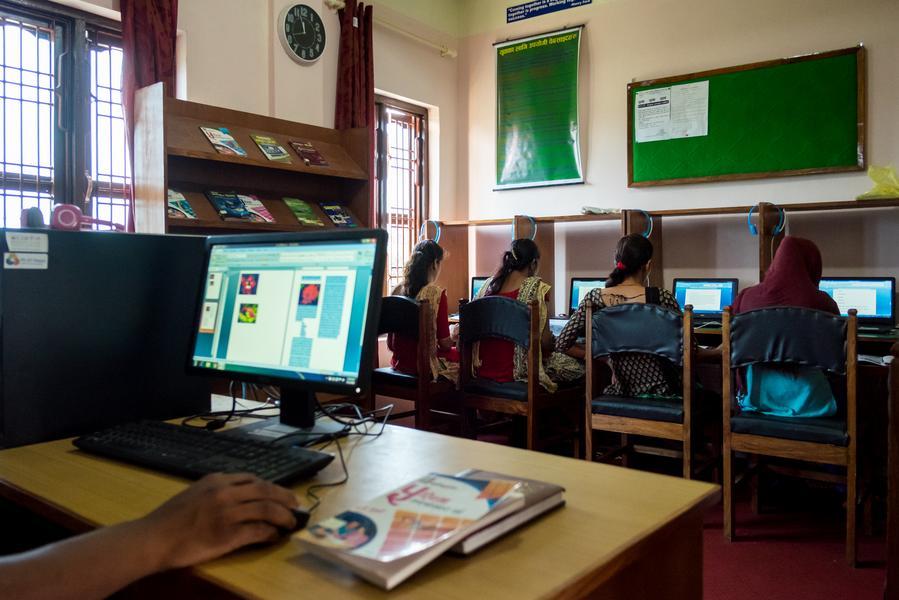
These platforms utilize technology to deliver instruction and resources in virtual or hybrid environments, allowing students to access educational content anytime, anywhere, and at their own pace. By incorporating Online and blended Learning Platforms into the educational landscape, these policies expand access to high-quality education, accommodate diverse learning needs and preferences, and support students in completing their academic requirements and achieving their educational goals.


These policies provide financial assistance directly to families, allowing them to use vouchers or savings accounts to cover the costs of tuition, fees, and other educational expenses at private schools, charter schools, or other educational providers. By offering financial support to families, Voucher Systems and Education Savings Accounts enable students to access educational opportunities that may otherwise be financially out of reach, ultimately increasing their chances of completing their education and achieving academic success.
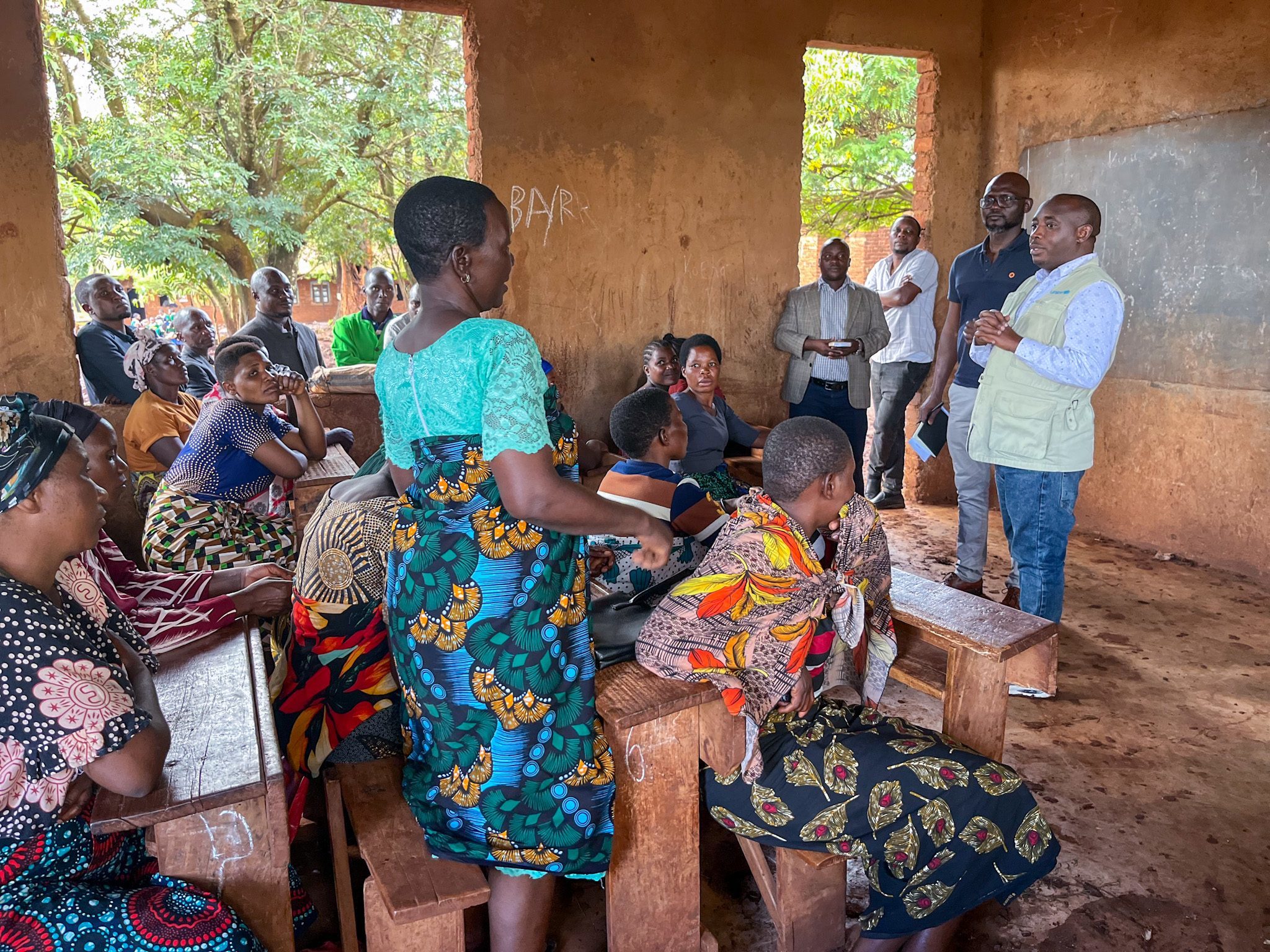
These policies support initiatives that foster collaboration between schools, families, and communities to ensure students receive the support and resources needed to succeed academically and graduate high school. Community & Parental Engagement Projects may include parent workshops, community forums, volunteer opportunities, and partnerships with local organizations to enhance student learning and promote school completion.

These policies allow students and families to choose from various school models and specialized programs that align with their interests, learning styles, and academic goals. Charter Schools offer alternative educational approaches, often with more flexibility in curriculum and teaching methods. At the same time, Magnet Programs focus on specific themes or areas of study to attract students with interests or talents. By expanding school choice through Charter Schools and Magnet Programs, these policies aim to enhance educational opportunities and promote student engagement and success.

Special Education Services to support students with disabilities and special learning needs. These services ensure that students with disabilities receive the appropriate accommodations, interventions, and support to access and inclusively participate in educational programs.
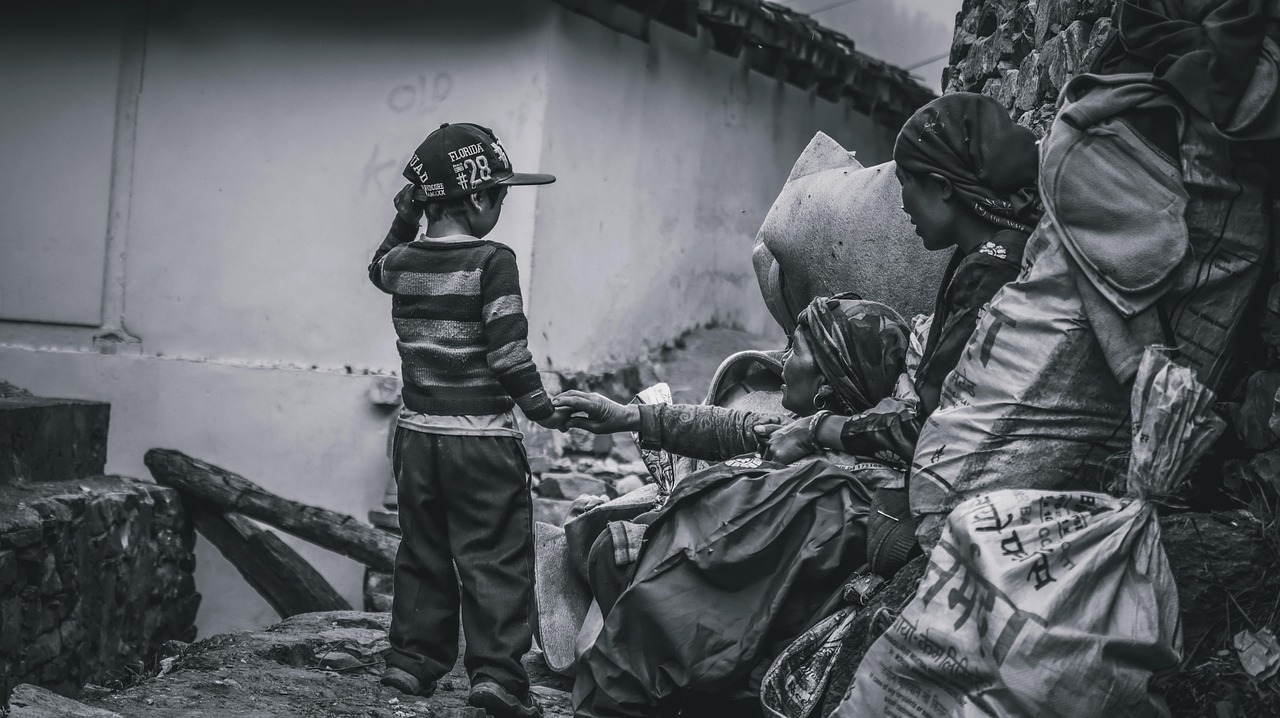
These initiatives involve actively engaging with marginalized communities, providing information about available educational resources and support services, and addressing specific barriers that may hinder access to education for these groups.

Scholarship Programs aimed at reducing financial barriers to education and increasing access for low-income or underrepresented students. These programs provide financial assistance to eligible students, enabling them to pursue higher education and access opportunities that might otherwise be out of reach due to financial constraints.
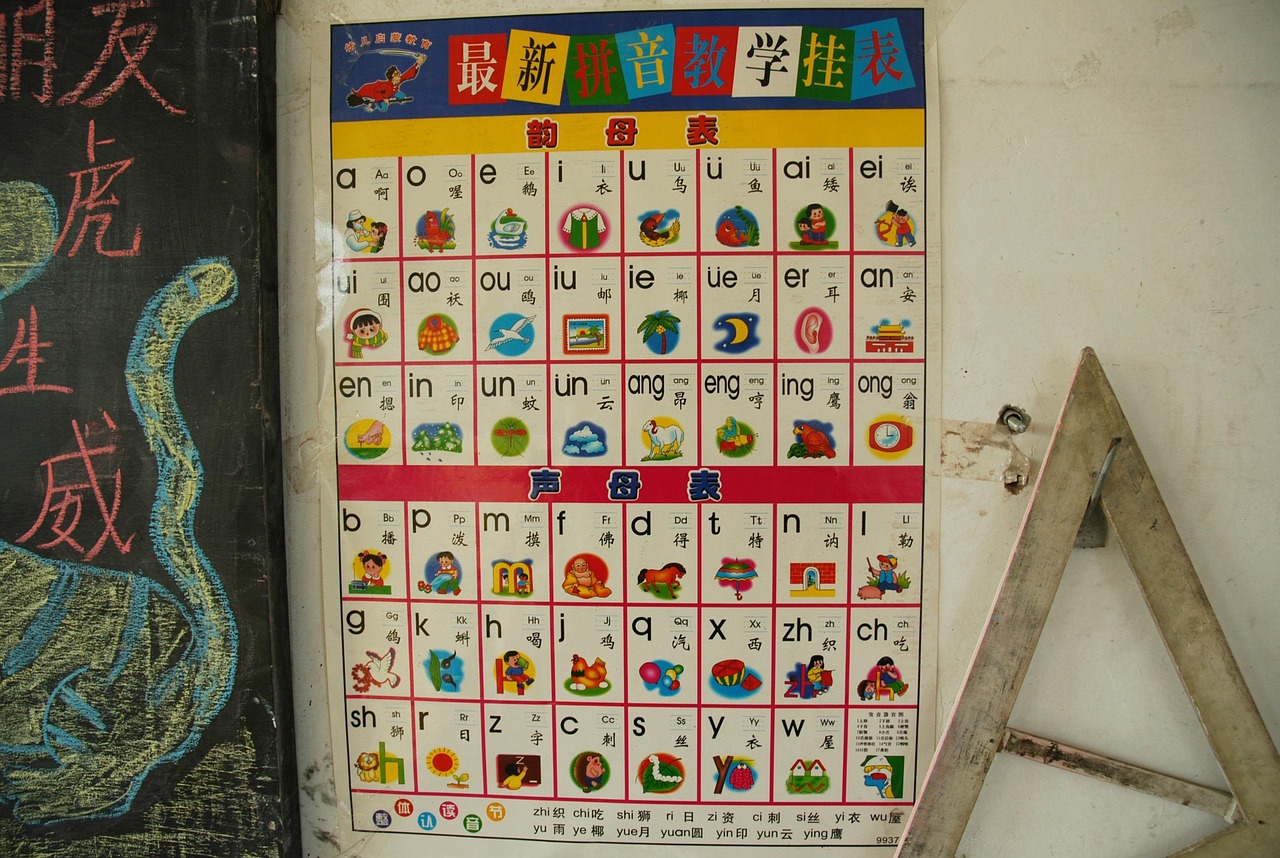
Language Support Programs address language barriers that may hinder certain groups of students from fully participating in educational activities. These programs offer language instruction and support services to students with limited proficiency in the language of instruction, ensuring they have equitable access to the curriculum and educational resources.
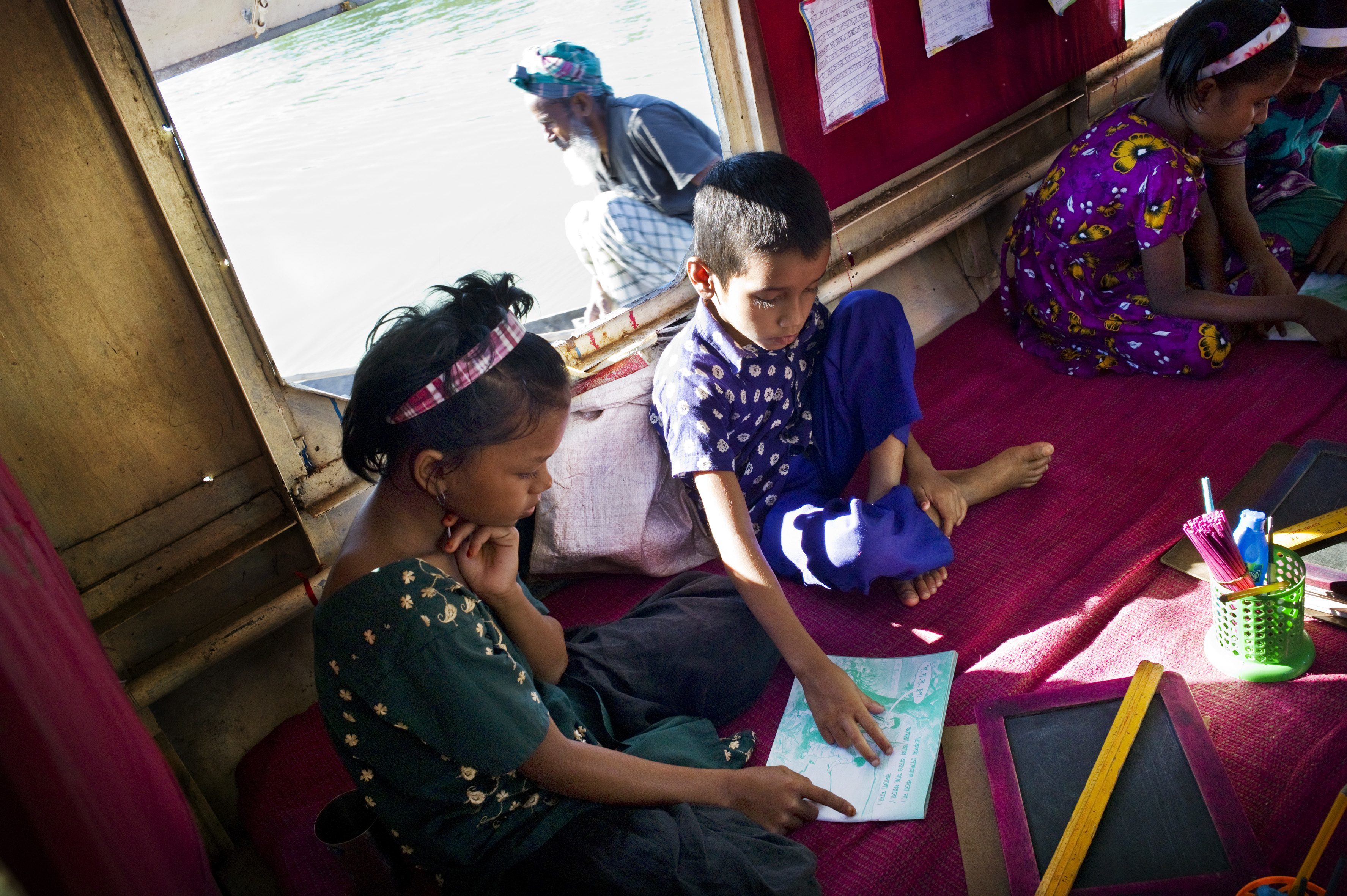
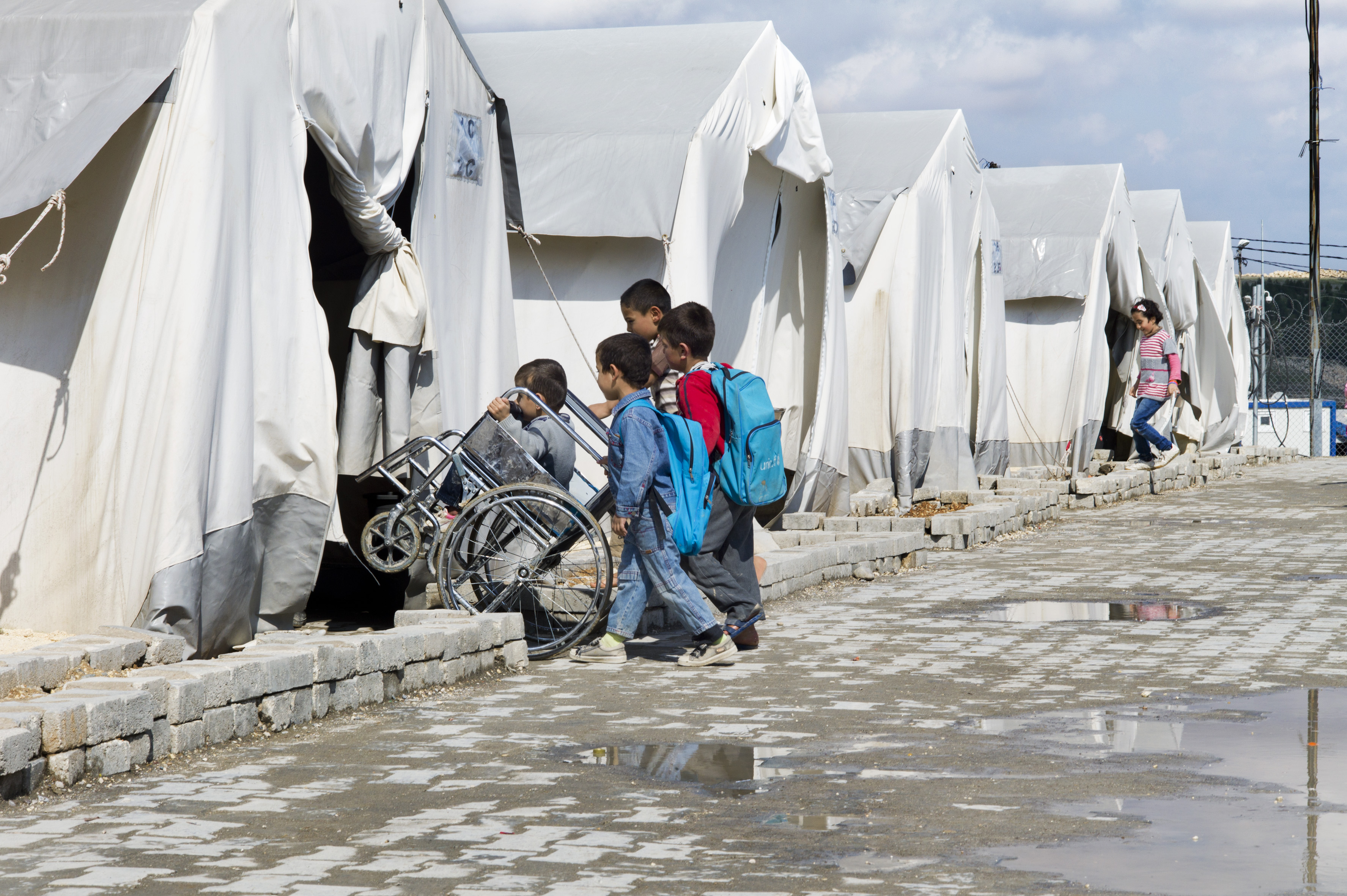
Transportation & accessibility involve providing transportation services for students who live in remote areas or face mobility challenges and ensuring that school facilities are fully accessible to students with disabilities.

Curriculum and instruction Policies prioritize Environmental and Sustainability Education to promote ecological literacy, environmental stewardship, and sustainable practices. These initiatives integrate environmental concepts, principles, and issues into the curriculum across various subjects, such as science, social studies, and geography. Environmental and sustainability education may involve hands-on learning experiences, outdoor education opportunities, and community-based projects that raise awareness of environmental challenges and inspire action for positive change.