





Innovative Finance
August 1, 2024

Created On November 25, 2023 | Last Modified On June 15, 2025
Share on:


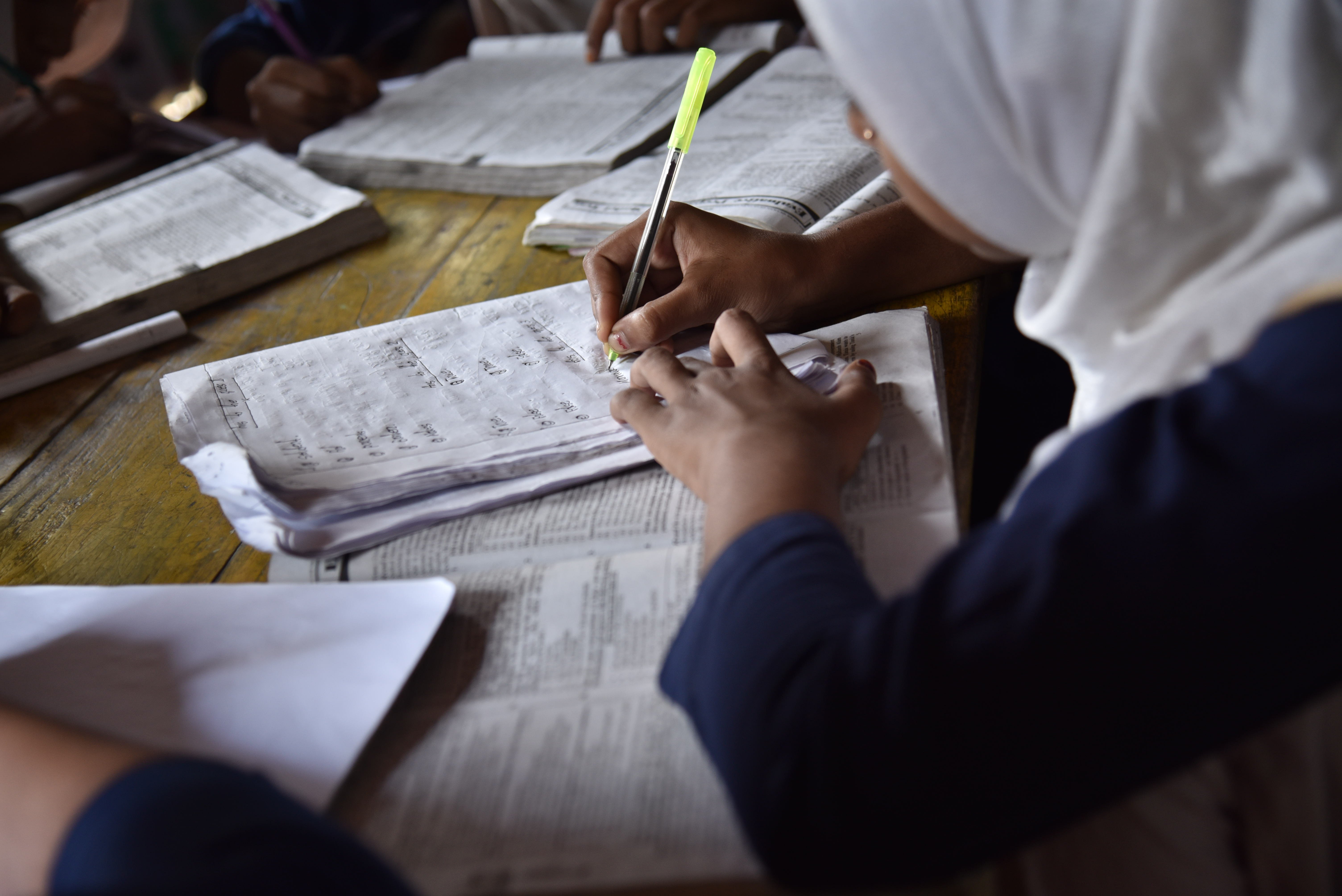
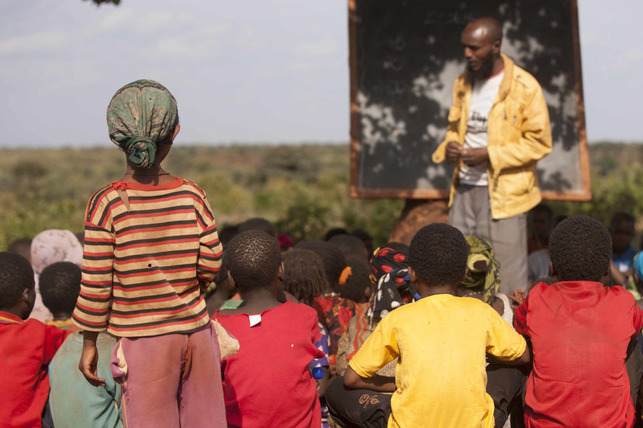
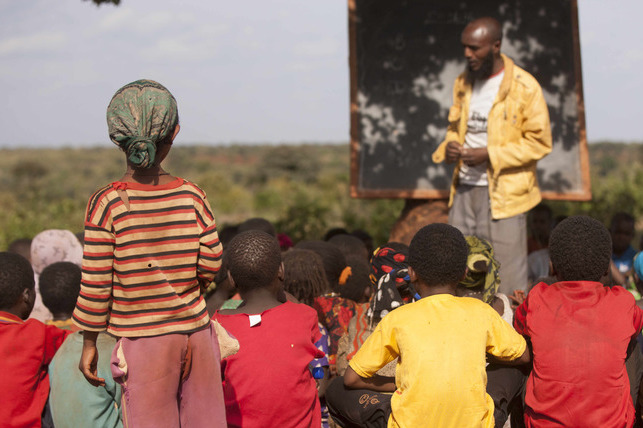
Several schools across Zambia, Kabanda Primary School grapple with a shortage of educators. The school contends with an average student-to-teacher ratio of 78:1. Merely five teachers are assigned to supervise various grades spanning from Early Childhood to grade 9. To manage this deficiency, the school operates in two shifts – one in the morning and another in the afternoon – with classes typically commencing at 7:00 am and concluding at 5:20 pm. More than half of the schools in Luapula province have adopted multiple shifts to address the scarcity of teachers.
Catch-Up is an educational intervention designed to assist students falling behind in their studies by helping them "catch up" to their peers. These classes take place outside of regular school hours and prioritize teaching basic skills in language and mathematics using interactive methods such as play and games. Students are placed in groups based on their comprehension level rather than their age, and they advance to the next level after mastering each subject competency. Teachers guide students through the material step by step to ensure full understanding and use personalized assessments to monitor progress. Catch-Up aims to provide child-friendly instruction and ensure no student is left behind academically.
In Luapula Province, 23 provincial and district staff members have undergone orientation in the Catch-Up program, along with 773 teachers and 291 mentors who have received training to implement and support the lessons. All participants have story cards, teacher guides, monthly learning trackers, money cards, and other instructional materials to enhance their teaching. These materials are affordably provided to ensure the sustainability of the program and its continuous use in schools.
Once teachers implement the catch-up lessons in April 2022, over 44,000 Grade 3 to 5 learners will benefit directly from this initiative. The training on Catch-Up's learner-centred methodologies has already been completed, and the lessons have been implemented in Muchinga, Northern, Western, Lusaka, Eastern, and Southern provinces. With the inclusion of Luapula province, this effort will cover eight out of the ten provinces in Zambia.
Innovative educational interventions like Catch-Up are important in addressing systemic educational challenges, particularly in regions with prevalent teacher shortages. Initiatives like Catch-Up can transform educational outcomes and promote inclusive education practices by prioritising student learning and providing tailored support.

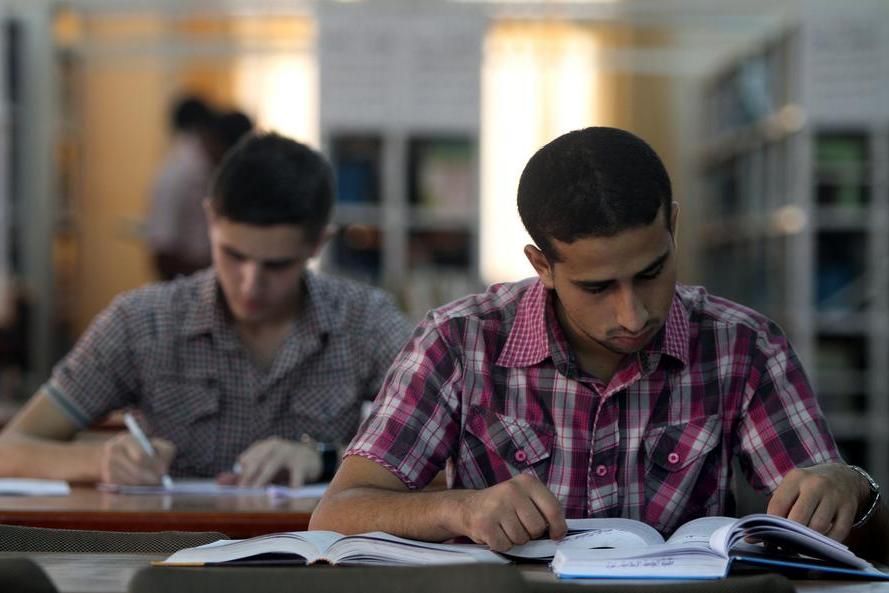
These projects may include scholarships, financial aid programs, outreach initiatives, and support services to reduce barriers to entry and promote equitable access to higher education opportunities. By addressing socioeconomic, geographic, and systemic barriers, these policies ensure that all individuals can pursue higher education and lifelong learning, regardless of their circumstances.


These programs combine classroom instruction with on-the-job training, allowing participants to develop valuable skills, earn industry-recognized certifications, and gain relevant work experience. Integrating vocational training and apprenticeship programs into the higher education landscape, these policies help bridge the gap between education and employment and equip individuals with the skills needed to succeed in high-demand fields.

These initiatives may include adult education programs, continuing education courses, professional development workshops, and certificate programs designed to meet the needs of adult learners and working professionals. By offering flexible and accessible learning opportunities, these initiatives enable individuals to acquire new skills, enhance their qualifications, and adapt to changing career demands.

These policies may include government grants, scholarships, and research funding programs to advance knowledge creation, technological innovation, and scientific discovery. By investing in research and innovation, higher education institutions can contribute to economic growth, drive technological advancements, and provide students with valuable research opportunities and experiences.

These partnerships may involve joint research projects, internship opportunities, curriculum development initiatives, and industry-sponsored training programs. By engaging with industries, academic institutions can ensure that their programs are relevant and up-to-date and equip students with the skills and knowledge required for success in the workforce.

These services may include counseling sessions with trained professionals, support groups, and resources for coping with stress, anxiety, depression, and other mental health challenges. Additionally, these policies may prioritize destigmatizing mental health issues, raising awareness, and promoting positive mental health practices throughout the school community.

These policies include measures to prevent bullying, harassment, and violence and procedures for responding to safety concerns and emergencies. Additionally, safe school environments may involve initiatives to promote inclusivity, respect, and empathy among students and staff, fostering a sense of belonging and security for all members of the school community.
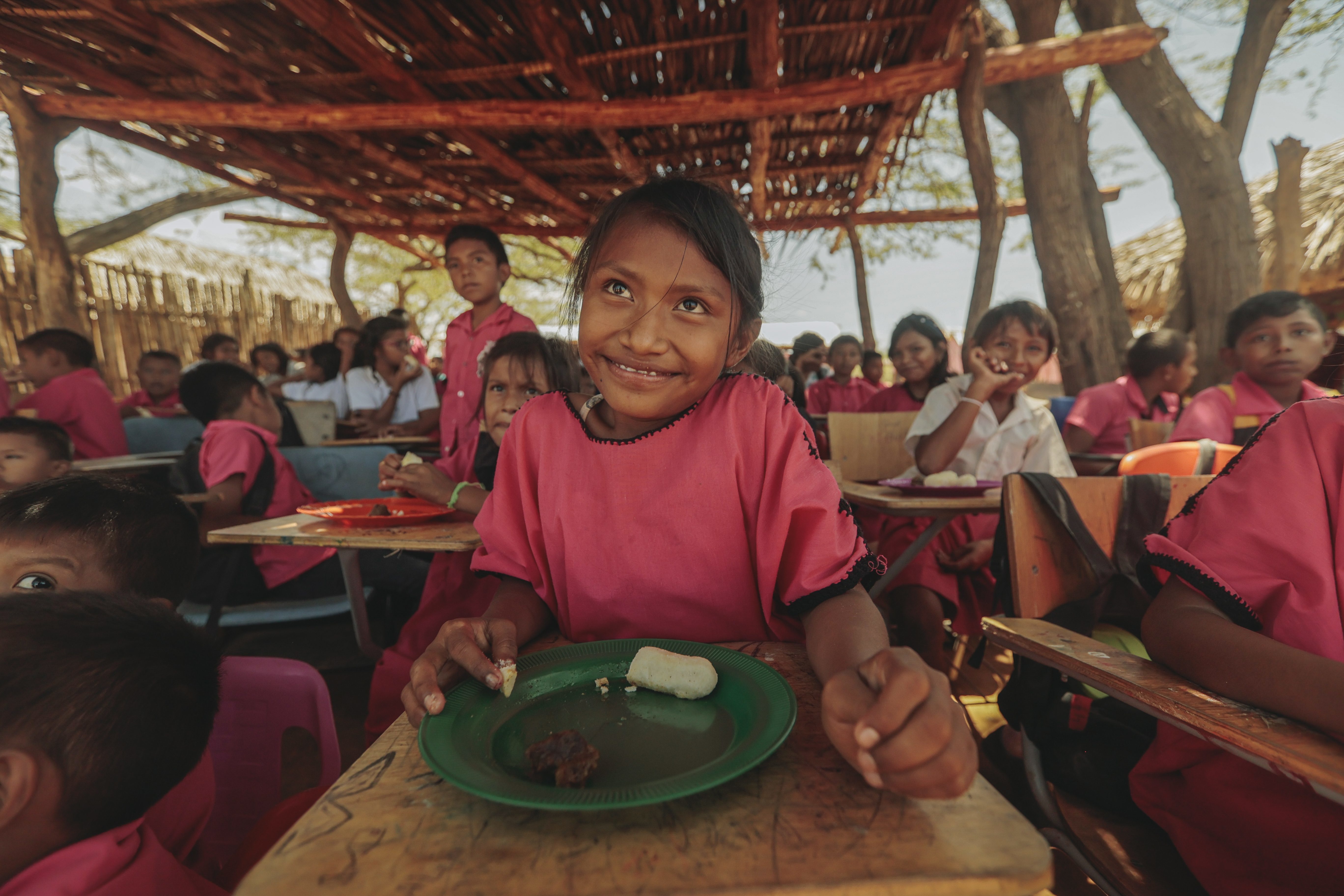
These programs offer balanced meals that meet nutritional guidelines, incorporate fresh fruits and vegetables, and limit processed foods high in sugar, salt, and unhealthy fats. Additionally, these policies may include nutrition education initiatives that teach students the importance of healthy eating and empower them to make nutritious food choices.

These programs provide age-appropriate education on the risks and consequences of substance abuse, teach refusal skills, and promote positive alternatives to drug use. Additionally, these policies may include strategies for early intervention and support services for students at risk of substance abuse.

These initiatives include structured physical education classes, extracurricular sports programs, and opportunities for active play during recess and breaks. By providing ample opportunities for physical activity, these policies aim to improve cardiovascular health, enhance physical fitness, and instill lifelong habits of healthy living.