






Innovative Finance
August 1, 2024

Created On June 29, 2025 | Last Modified On June 29, 2025
Share on:


In Nepal, marginalized and female students face limited access to education, with dropout rates for girls exceeding 80% despite enrollment rates of 52%. Moreover, the quality of teaching is insufficient, and significant upskilling is required to meet new qualification mandates for teachers. In addition, there are geographical barriers, where remote areas lack access to higher education and teacher training programs. The collaborative project was done by JAMK University of Applied Sciences, HAMK in Finland, and TU and NOU Universities in Nepal to combat such issues.
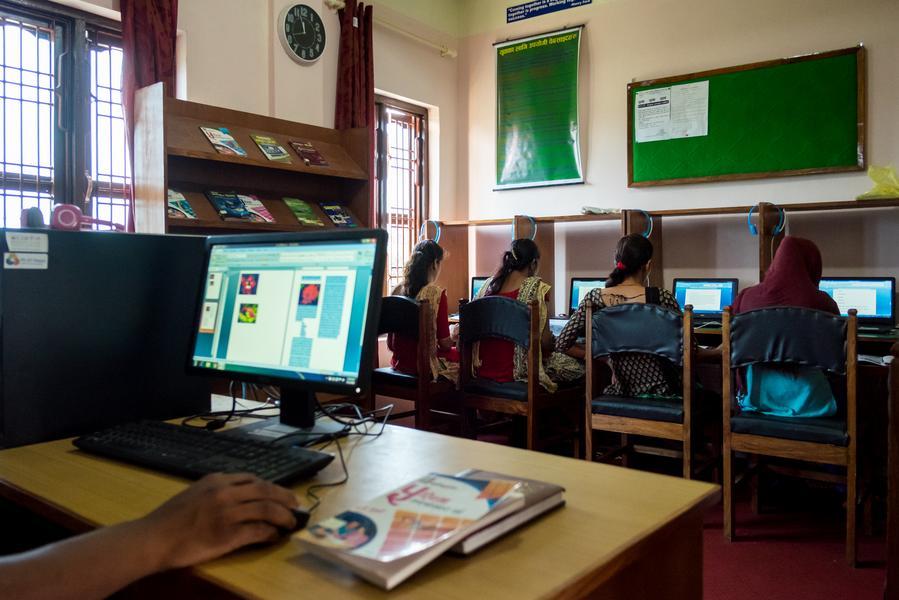
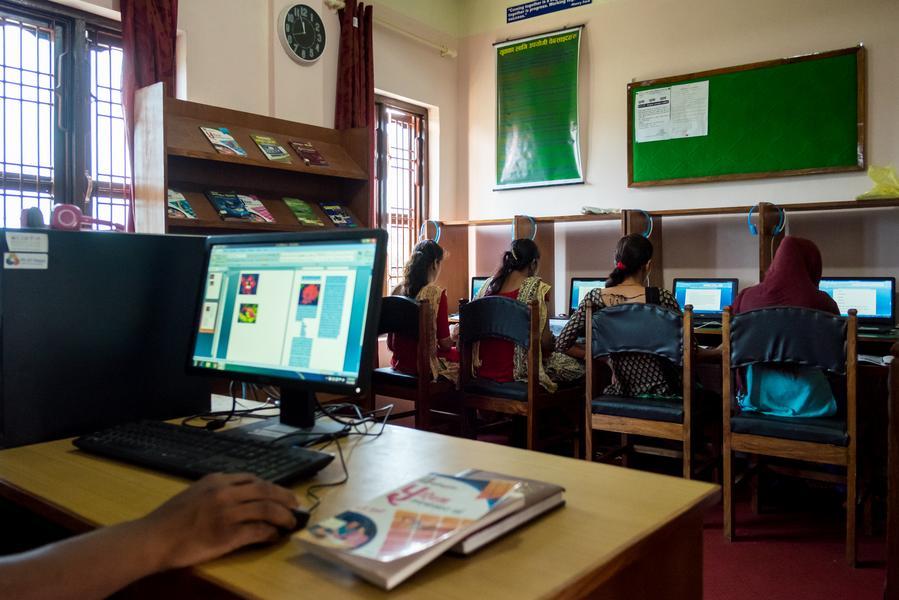
The solution was multifaceted. First, there was new curriculum development that focused on creating a Master’s program in digital pedagogy, guidance, and 21st-century skills (36 ECTS credits), developed a guidance and counseling module including MOOC for teacher to reduce dropout rates and training educators in innovative teaching practices for digital and distance learning. Second, training and capacity building, where 120 teachers were trained in three cohorts (30% female participation), expanded capacity to train 7,000 university faculty members in integrating ICT into education, and conducted workshops for provincial and local governments to extend training outreach. Third, collaborative governance and co-creation, which worked on establishing a project board, engaging Finnish experts and local stakeholders in iterative curriculum design. Fourth, community outreach and regional engagement leveraged NOU’s seven regional campuses for outreach. Lastly, monitoring and risk management, which worked on annual review cycles to identify and mitigate risks, enabled transparent project management to ensure alignment with objectives.
The program trained 7,000 university faculty members and 120 Master’s students in modern teaching techniques. Moreover, there were direct contributions to SDG 4 (Quality Education) and SDG 5 (Gender Equality).
Note: further analysis and data analysis will have to be done to properly understand the program's impact.
The program’s co-creation model and ICT-integrated teacher training approach can be adapted to other low-resource settings, offering a practical framework for replication aligned with global SDGs. The initiative ensures sustainable progress by building local capacity through teacher training and embedding ICT into mainstream education. It reduces dependency on external resources by involving regional stakeholders and aligning with national education policies, guaranteeing long-term impact and continuity.

These policies emphasize the importance of Digital Literacy & Technology Integration in preparing students to thrive in a digital world. Digital literacy initiatives provide students with the knowledge, skills, and competencies to navigate, evaluate, and responsibly create digital content. Technology integration involves incorporating digital tools, resources, and platforms into teaching and learning activities to enhance engagement, collaboration, and productivity. By promoting digital literacy and technology integration, educational institutions can empower students to become effective digital citizens and leverage technology for learning, communication, and creativity.
