






Innovative Finance
August 1, 2024

Created On December 4, 2024 | Last Modified On November 2, 2025
Share on:


WFP
United Arab Emirates' Digital School
Namibia, like many developing countries, faces challenges in providing quality education to all its citizens, particularly in rural and underserved areas. The country has been working to transform its education system to meet the demands of the 21st century and prepare students for a digital future. With a focus on integrating technology into education, Namibia aims to address issues of educational quality, accessibility, and relevance.
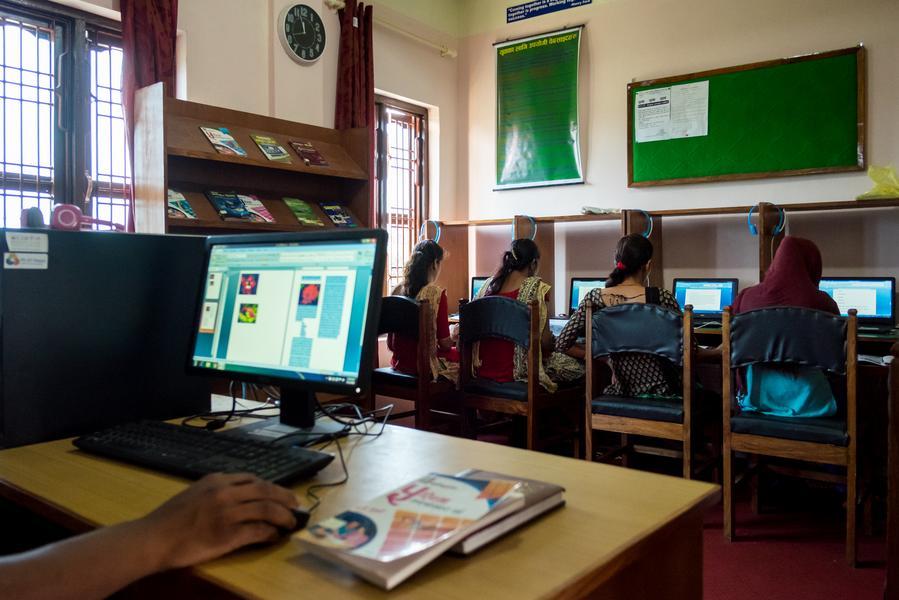
To tackle this issue, MOE launched "The Digital School" (TDS) pilot project, an initiative supported by the United Arab Emirates' Digital School and the World Food Program (WFP). This project aims to revolutionize education across the country by integrating digital tools and methods into the learning environment. The initiative focuses on building a model for digital transformation in schools, equipping students with essential digital skills, enhancing teachers' abilities through targeted training, and developing a national strategy to advance digital education.
While specific quantitative data on the project's outcomes is not yet available due to its recent launch, the initiative is set to benefit sixteen schools initially, with one school per region designated as a digital pilot school.
The project extends its benefits to neighboring nations, including Angola, Zambia, Lesotho, Madagascar, and South Africa, representing a collaborative effort towards educational excellence in the region. Making it very replicable in nature. Moreover, the initiative aligns with Namibia's 2022 National Conference on Education Implementation Plan (2023-2030), which emphasizes digital transformation as a central goal. The Digital School initiative demonstrates significant scalability and replicability potential, leveraging a strategic pilot approach with 16 schools that allows systematic expansion and learning.

These policies promote the adoption of E-Learning Platforms and Digital Classrooms to facilitate online learning and collaboration. E-learning platforms provide a virtual space where students can access course materials, participate in discussions, submit assignments, and engage in interactive learning activities. Digital classrooms leverage video conferencing, chat, and collaboration tools to replicate the traditional classroom experience in an online environment. By embracing e-learning platforms and digital classrooms, educational institutions can offer flexible and accessible learning opportunities that accommodate diverse learning needs and preferences.
