



Innovative Finance
August 1, 2024

Created On April 28, 2025 | Last Modified On May 20, 2025
Share on:


Ghana's education system faces a significant learning crisis, with approximately 80% of children not acquiring basic literacy and numeracy skills by the end of primary school. This challenge mirrors a broader global issue, where 70% of children in low- and middle-income countries struggle to read and understand a simple text by age 10. Traditional teaching methods, often based on age or grade level, fail to address the diverse learning needs of students, leading to widespread underachievement and educational inequity.
To tackle this crisis, Ghana, supported by UNICEF and the Gates Foundation, implemented the Differentiated Learning Plus (DL+) programme. Central to this initiative is the Teaching at the Right Level (TaRL) approach, which tailors instruction to each student's current learning level rather than their age or grade. Initially rolled out in Grades 2 to 6 across 501 schools, there are plans to expand the programme to all 10,000 primary schools nationwide.
A pivotal component of DL+ is the development of the DL+ Dashboard—a collaborative effort between UNICEF, the Ghanaian government, and key education agencies. This dashboard consolidates assessment data, providing real-time insights into student progress. It empowers educators, school leaders, and policymakers to make informed, data-driven decisions, ensuring timely interventions and support where needed.
The DL+ programme holds the promise of transforming Ghana's education landscape by:
Enhancing Learning Outcomes: Personalized instruction based on individual learning levels aims to improve literacy and numeracy skills among primary school students.
Promoting Equity: By addressing the specific needs of each learner, DL+ seeks to reduce educational disparities, ensuring that all children, regardless of background, have the opportunity to succeed.
Strengthening Data-Driven Decision-Making: The DL+ Dashboard facilitates real-time monitoring and analysis, enabling stakeholders to respond promptly to learning gaps and challenges.
Scalability and Sustainability: With government ownership and integration into national education strategies, DL+ is positioned for sustainable, nationwide implementation, potentially serving as a model for other countries facing similar educational challenges.
The DL+ programme in Ghana tackles major barriers to learning, including low foundational skills, lack of data-driven instruction, and inequity, through a flexible, scalable Teaching at the Right Level model supported by real-time data systems. Its design makes it highly replicable in other low- and middle-income countries; however, challenges such as teacher capacity building, digital infrastructure needs, political ownership, and sustainable financing would need to be carefully addressed for successful adaptation.

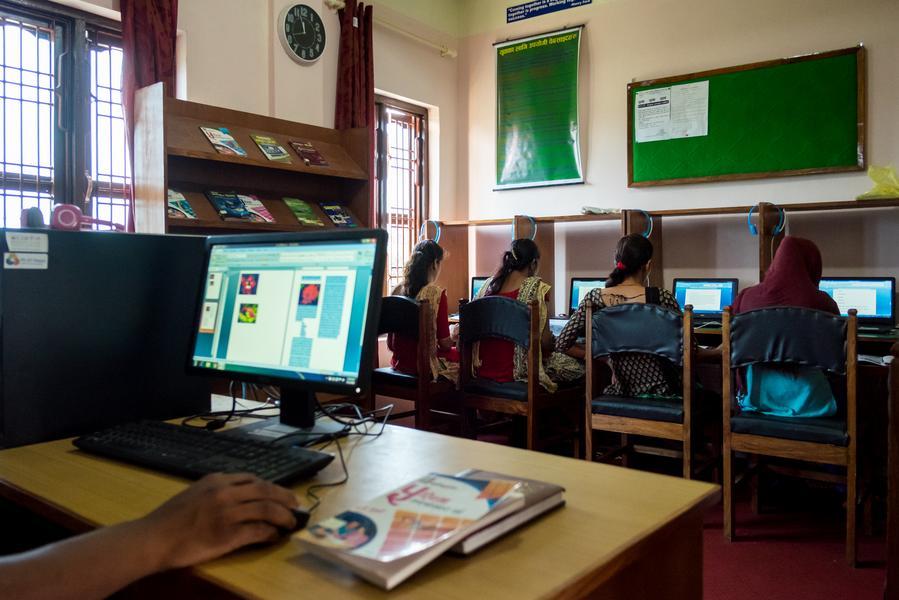
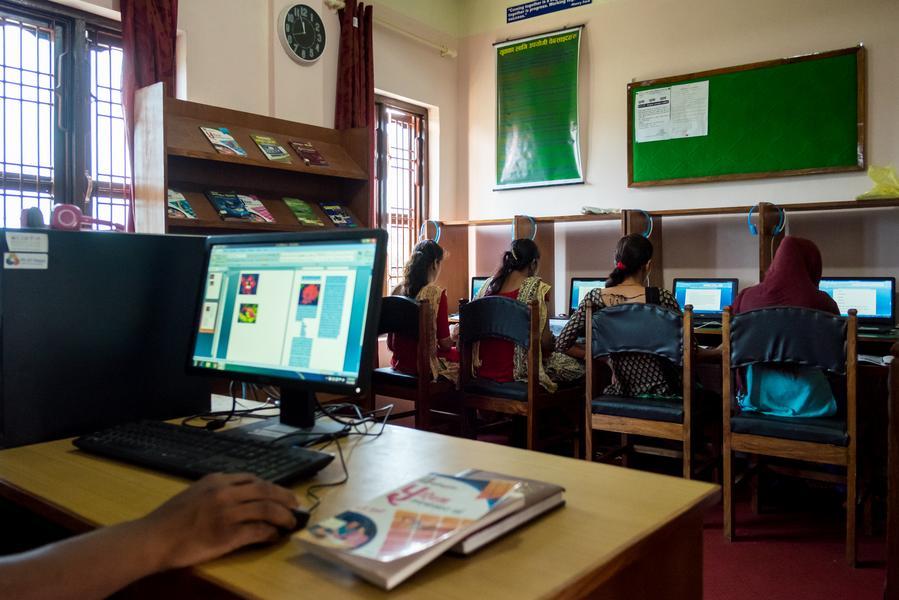
Educational technology policies prioritize providing technology training for teachers and students to ensure they have the skills and competencies to use educational technology tools and resources effectively. Professional development programs offer teachers training on integrating technology into their instructional practices, designing engaging digital learning experiences, and utilizing data analytics to inform their teaching. Similarly, students receive training on digital literacy, online safety, and responsible technology to empower them as digital learners. By investing in technology training, educational institutions can empower teachers and students to harness the potential of educational technology for enhanced teaching and learning experiences.
