











Innovative Finance
August 1, 2024

Created On November 23, 2023 | Last Modified On May 20, 2025
Share on:


Unhealthy dietary habits and lifestyle among adolescents is considered as a risk factor for nutrition-related diseases in adulthood. The objective of this study was to investigate the effectiveness of a healthy lifestyle intervention—including physical activity (PA) and eating habits (EH)—among female students in Jizan City, southwest Kingdom of Saudi Arabia (KSA).
The main goal of this intervention was to investigate the effectiveness of promoting healthy lifestyle patterns, specifically focusing on physical activity (PA) and eating habits (EH), among female students aged 12–15 years. The aim was that this would help reduce childhood obesity and increase healthy behaviors and knowledge among the pupils.
The school children in the intervention groups showed a significant improvement in their EH and PA. These improvements were documented in increased physical walking measured by the number of students walking daily, the number of days walked, and the time spent on vigorous activities.
The intervention has multiple objectives and the main objective is towards improvement of health. The replication of the intervention could be done similar problem context and lifestyle patterns.
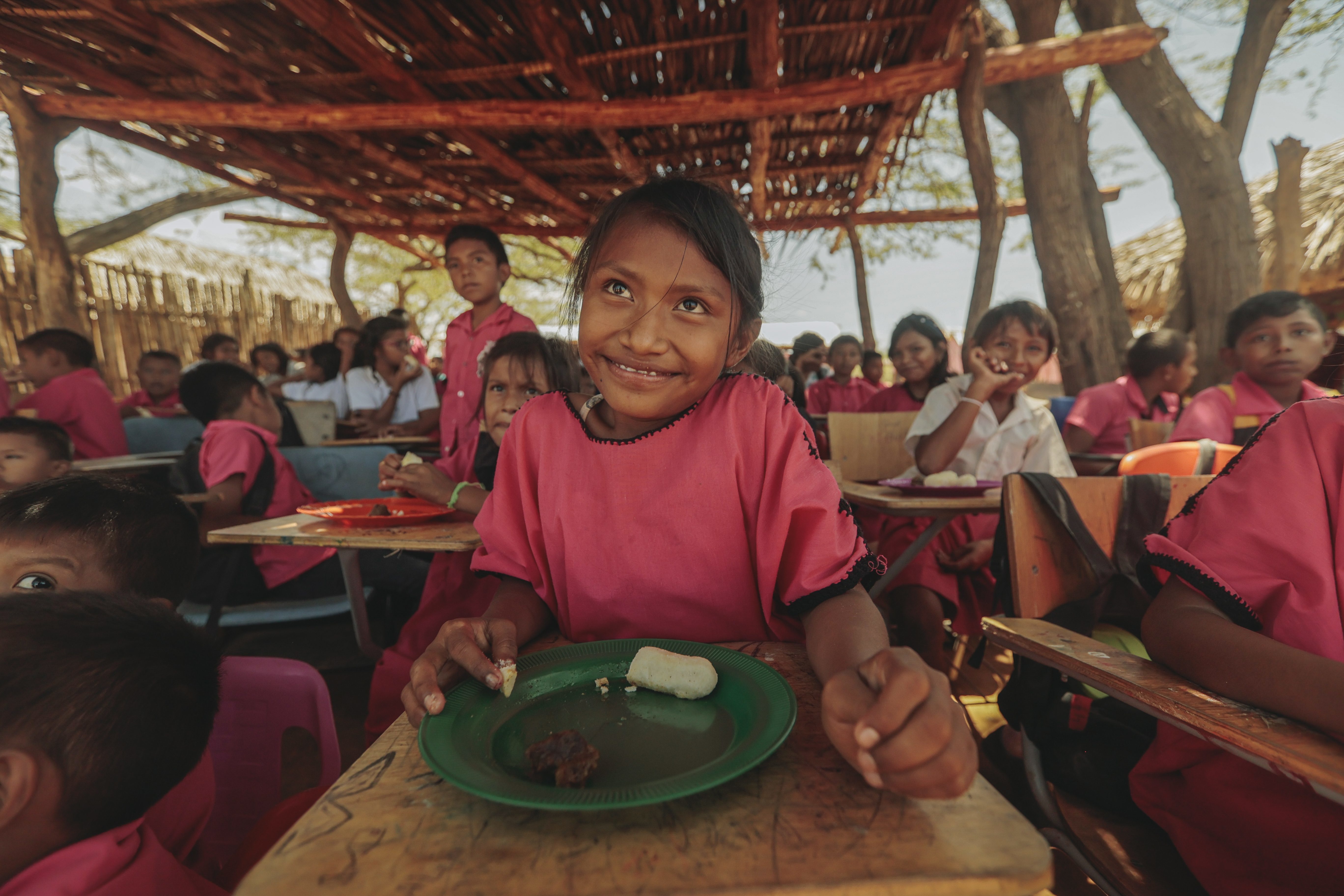
These programs offer balanced meals that meet nutritional guidelines, incorporate fresh fruits and vegetables, and limit processed foods high in sugar, salt, and unhealthy fats. Additionally, these policies may include nutrition education initiatives that teach students the importance of healthy eating and empower them to make nutritious food choices.
