



Innovative Finance
August 1, 2024

Created On May 26, 2024 | Last Modified On June 23, 2024
Share on:


Yayasan Penderita Cacat Mental (YPCM)
Yayasan Sosial Ibu Anfrida (YSIA)
The UN's Sustainable Development Goals (SDGs) prioritize equitable access to quality Early Childhood Education (ECE), emphasizing children's cognitive, social, and emotional development (SDG 4.2). This includes monitoring children under 5 to ensure they are on track in health, learning, and psychosocial well-being globally. Such monitoring identifies those needing additional support to access inclusive ECE services.
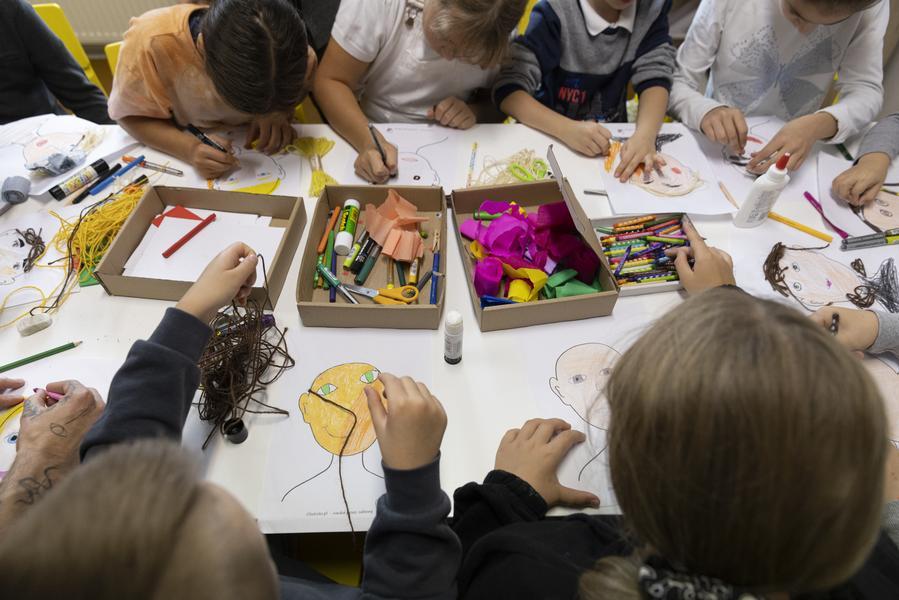
Inclusive Play-based Early Childhood Education (IPECE) caters to children aged 3 and up, fostering holistic development through play-based learning. It supports cognitive, physical, social, and emotional growth, encouraging exploration of their environment.
IPECE programs focus on developing creativity, curiosity, and social skills through interactions with peers and trained educators (Ebbeck and Waniganayake, 2016). These initiatives also support the development of language, logical reasoning, early literacy, and mathematical concepts in a play-based environment (ISCED 2011). The first five years of a child's life are critical for brain development, with 85% occurring during this period. Inclusive Play-based Early Childhood Education ensures all children have equal opportunities to learn and thrive, regardless of their background or circumstances.
In Indonesia, partners Yayasan Penderita Cacat Mental (YPCM) and Yayasan Sosial Ibu Anfrida (YSIA) facilitate IPECE in non-formal preschools, integrating 23 children with disabilities. This inclusion enhanced their social, emotional, behavioral, and language development, improving self-reliance and physical capabilities in a supportive environment.
For effective implementation, it is crucial that the implementing organization can establish a partnership or gain the government's support, as it will allow greater access to schools and help recognize the implementing organization's credible. In addition, such types of interventions would require comprehensive support in terms of teacher training to ensure that they effectively maintain the required student learning environment.
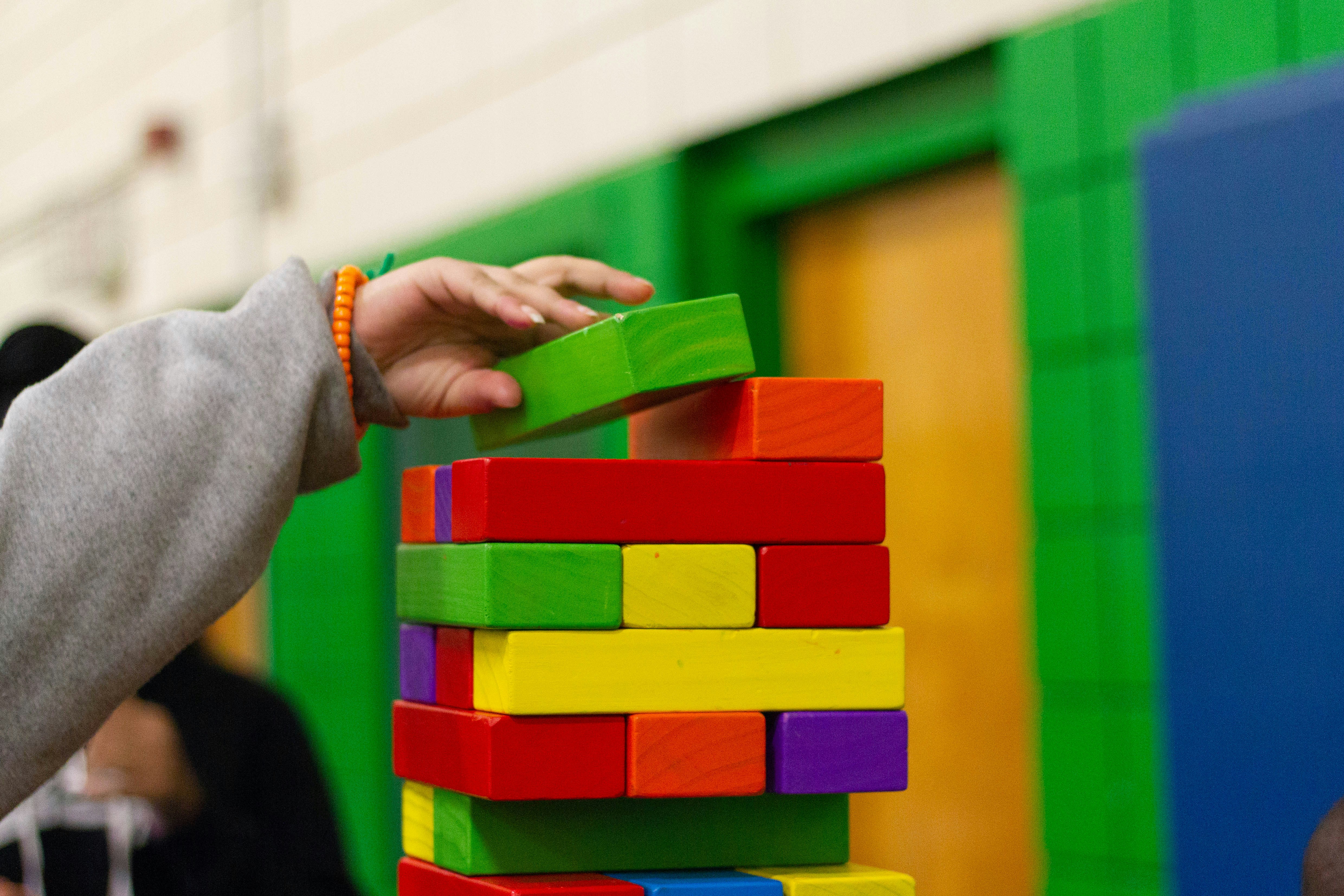
These environments provide opportunities for children to engage in open-ended play, sensory experiences, and imaginative activities that promote cognitive development, problem-solving skills, and socio-emotional competence. Play-based learning environments may be integrated into early childhood classrooms, childcare centers, and home-based settings, providing a developmentally appropriate approach to learning that fosters a love of learning and curiosity in young children.
