







Innovative Finance
August 1, 2024

Created On November 25, 2023 | Last Modified On August 18, 2025
Share on:


Context and Issue
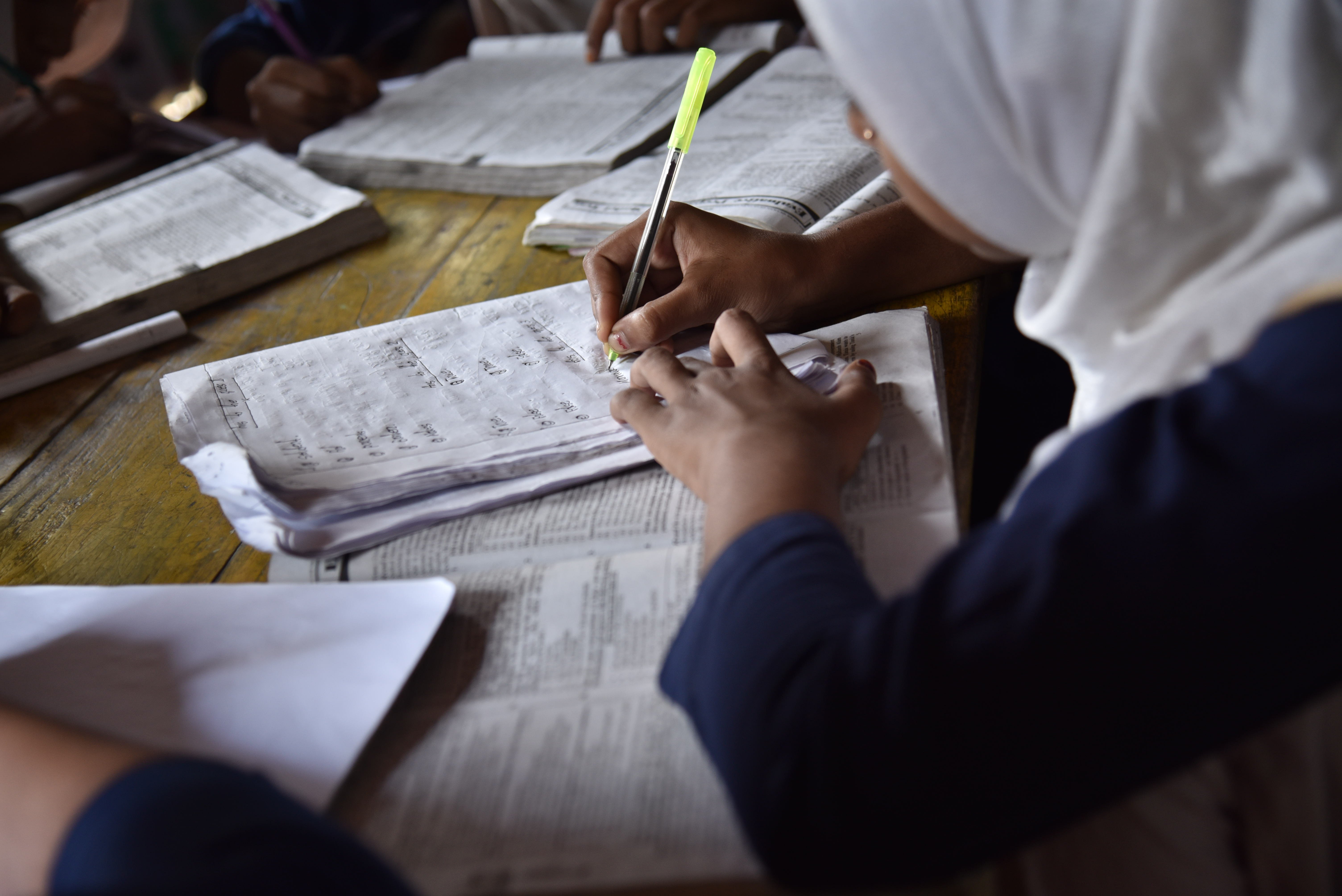
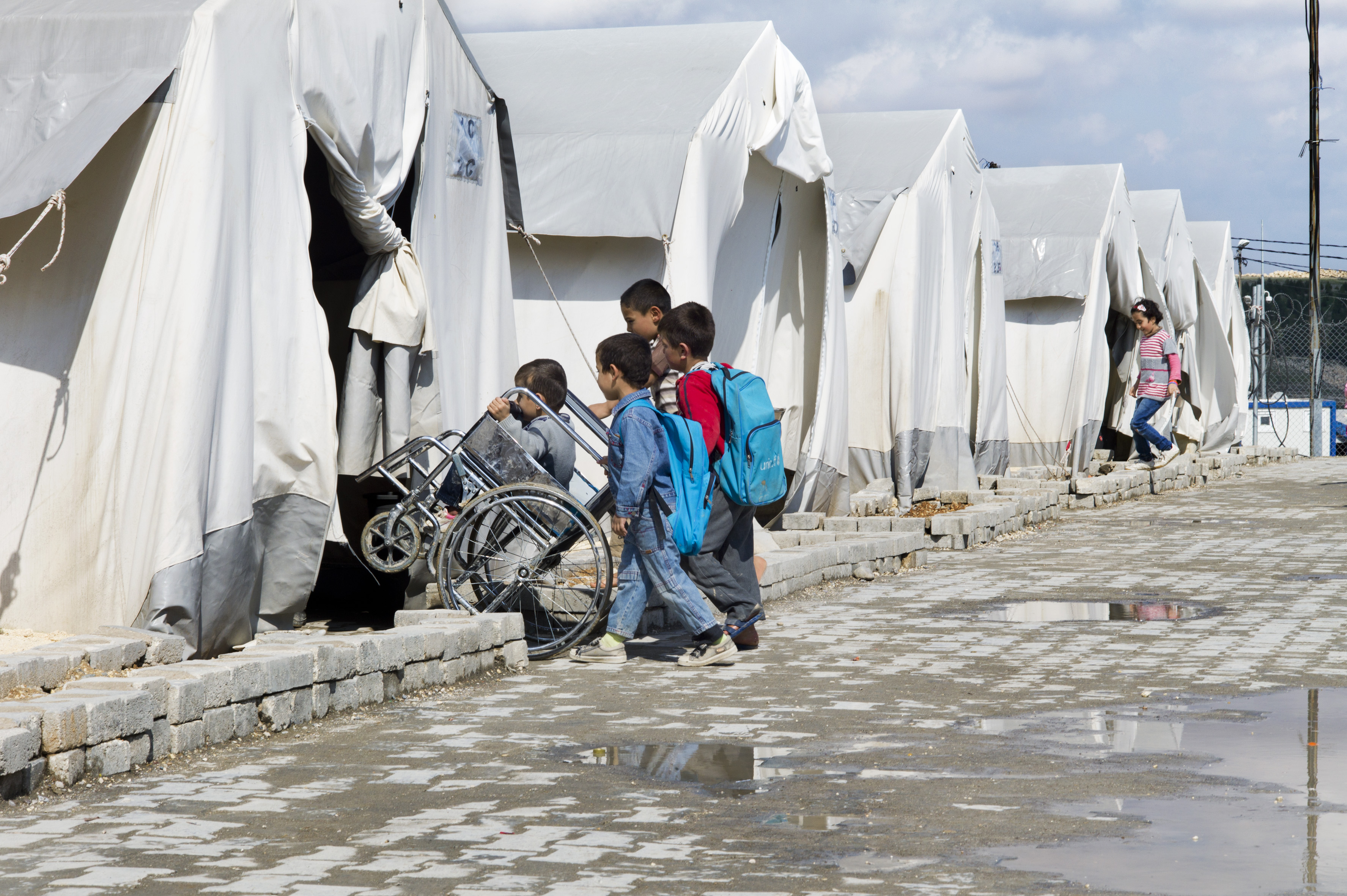
According to UNICEF and the Ministry of Education (Malaysia), primary enrollment is higher than secondary enrollment. Education for All (EFA) estimates that approximately 100,000 children are not in primary school and another 250,000 children are not in secondary school for various reasons. International organizations and the Malaysian government are interested in understanding the factors contributing to the number of out-of-school children in Sabah, Malaysia.
Solution
At a higher level, the solution aimed to support countries in reducing or eliminating incidences of out-of-school children by utilizing pre-primary, primary, and secondary school datasets, as well as household surveys and other data. Based on the data insights from Sabah, several rationales were identified that contributed to children being out of school. These barriers were related to socioeconomic factors, including poverty and financial constraints. A prominent distinction in terms of non-attendance and non-enrolment was also based on citizen status. For example, 49.3% of non-citizen students were found to be out of school at the primary level, compared to only 1.4% of students with citizen status. Similarly, at the lower secondary education level, 69% of non-citizen students were likely to be out of school, whereas only 1.8% of students with citizen status were in that situation.
Impact
The development of this type of dataset in Sabah provides an opportunity for this method of analysis to eventually be scaled up to the national level, serving as a template for other regions within the country to understand and address socio-economic barriers to education.
The effective implementation of interventions requires cooperation among various entities, including government agencies, local NGOs, private entities, and international bodies. This highlights that existing institutional structures or "path dependencies" of the countries' ministries could play a significant role in the successful execution of such initiatives. Additionally, the standard of existing data collection facilities would impact the smooth operations during the intervention. Limitations in official data sources, such as the Labour Force Survey (LFS) not covering institutional living quarters or areas under certain security commands, and the Education Information Management System (EMIS) excluding data on private schools or individual/household characteristics, underscore the challenges in obtaining comprehensive information. Furthermore, it is important to note that the views expressed in this publication are those of the authors and do not necessarily represent those of the United Nations, including UNICEF, UN Member States, or the Government of Malaysia, which could influence the implementation of recommendations.

These policies support collecting, analyzing, and interpreting educational data from various sources, such as learning management systems, student information systems, and assessment platforms. Data analytics tools enable educators and administrators to identify trends, monitor student progress, personalize instruction, and allocate resources effectively. By harnessing the power of data analytics, educational institutions can make data-driven decisions that enhance the overall quality and efficiency of educational programs and services.
