


Innovative Finance
August 1, 2024
Created On March 14, 2024 | Last Modified On November 19, 2024
Share on:


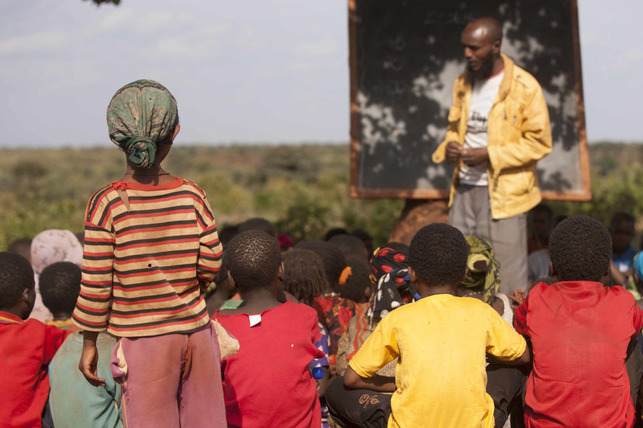
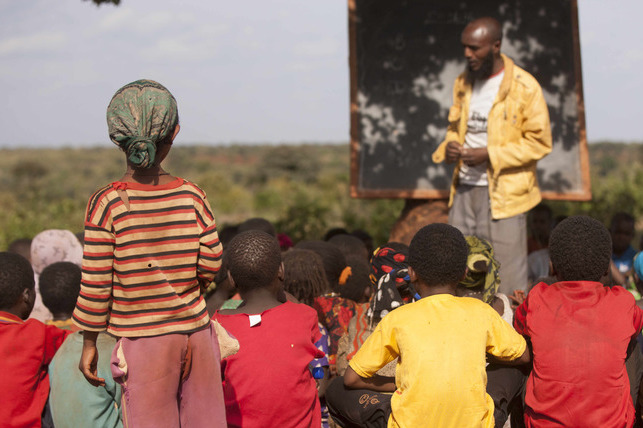
Burkina Faso, Mali, and Niger struggle with substantial challenges contributing to large numbers of out-of-school children (OOSC) in sub-Saharan Africa. These challenges include poverty, displacement, gender disparities, cultural barriers, and the aftermath of a colonial education system. Moreover, the humanitarian crisis in Mali, stemming from armed conflict and instability since 2012, has led to a refugee influx into Burkina Faso and Niger. These countries face demand and supply-related barriers such as poverty, child labor, political unrest, nomadic populations, and inadequate infrastructure and teaching resources, exacerbating the OOSC issue.
Plan International's Primary (School) Access through Speed Schools + (PASS+) Project aims to enhance the quality and availability of formal primary education and accelerated-learning programs (Speed Schools) by mobilizing communities, building stakeholders' capacities, and improving education governance. The project employs two main approaches: Speed School Interventions, offering an intensive nine-month curriculum covering classes 1 to 3, and Primary School Interventions, targeting OOSC aged 6 to 14 for direct enrollment into primary schools through awareness campaigns. Despite security challenges, the project successfully implemented planned activities and facilitated the transition of Speed School supervision to education ministries, enhancing sustainability.
Of the 42 outcome and output indicators, the project achieved or exceeded 100% of the target for 31 indicators, while some fell slightly below the target. The project surpassed its target for Speed School enrolments but fell short of direct enrolments into primary schools. Despite not meeting the overall enrolment target, the project contributed to sustaining the Speed School model, developed innovative approaches to address children's needs, advocated for their inclusion in school feeding programs, and supported government services for birth registration declarations.
Challenges with data quality assessment and meeting specific enrolment criteria highlight areas for improvement. Overall, the project demonstrated successes in addressing OOSC issues but also identified areas for refinement and future efforts to enhance effectiveness and sustainability.
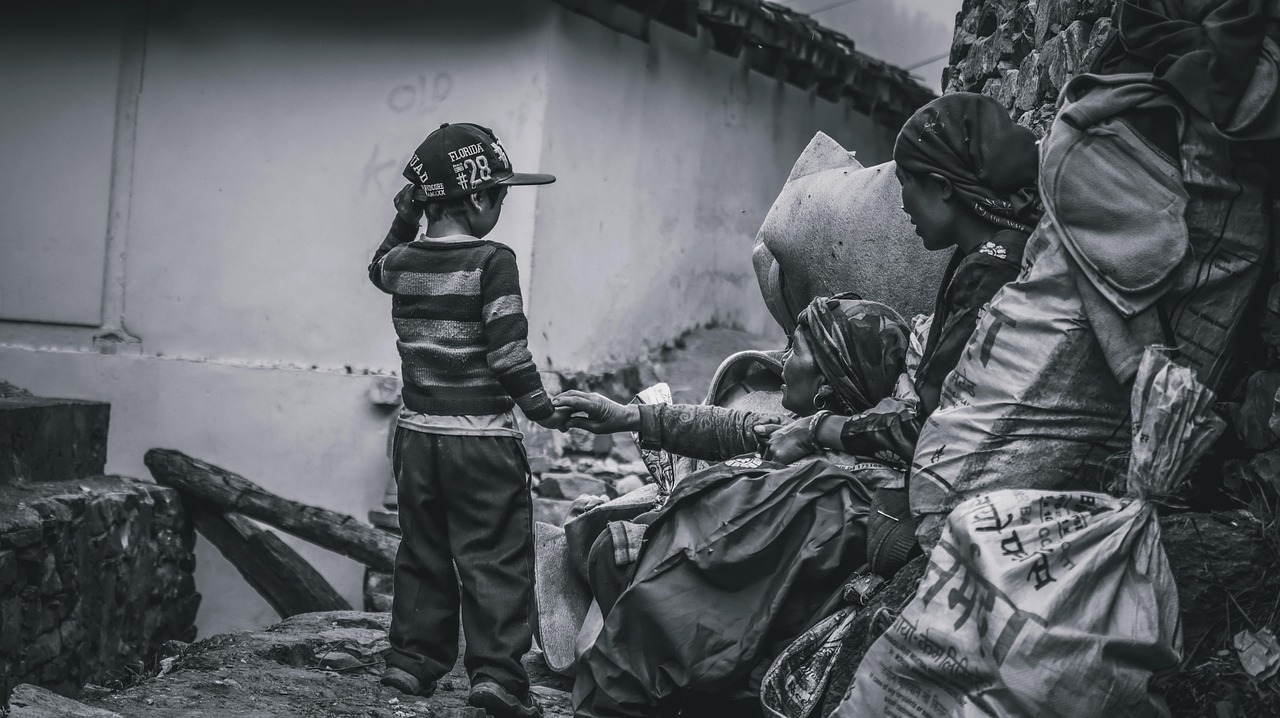
These initiatives involve actively engaging with marginalized communities, providing information about available educational resources and support services, and addressing specific barriers that may hinder access to education for these groups.
