


Innovative Finance
August 1, 2024
Created On August 18, 2025 | Last Modified On September 3, 2025
Share on:


Ghana has made significant strides in expanding access to early childhood education, introducing two years of compulsory kindergarten in 2007 and reaching a 99.4% enrollment rate by 2012. However, shortcomings persist in the quality of education given. Many KG classrooms are overcrowded, under-resourced, and in poor condition, with limited access to learning materials and an average of 52 students per class (EMIS, 2018/2019). Despite the proven benefits of hands-on, play-based learning during the first five years of a child’s life, most teachers lack the training to implement such methods, and rote learning remains the dominant approach. Addressing this gap is essential for fostering children’s cognitive and social development.
Sabre’s approach to strengthening early childhood education in Ghana centers on a sustainable ‘train-the-trainer’ model in close collaboration with the Ghana Education Service. Through this model, selected master trainers receive intensive, multi-day workshops on play-based pedagogy, equipping them to deliver training to teachers, headteachers, and education officers at the district level. This ensures wide-scale dissemination of knowledge and localized support systems. Sabre further enhances teacher preparedness by working with five tertiary institutions, including the University of Education, Winneba, to enrich pre-service training. Practicum placements, demonstration classrooms, and ECE Resource Centers provide student teachers with hands-on experience in implementing the national play-based curriculum, reinforcing both theory and practice.
Sabre’s investment in teacher capacity has resulted in measurable improvements in classroom quality and student learning. A total of 4,959 teachers, headteachers, and student teachers have been trained in play-based pedagogy, with 83% of public school teachers in intervention areas demonstrating ‘outstanding’ implementation competency. Learner outcomes reflect this progress:75% of kindergarten children in Sabre-supported schools achieved target literacy and numeracy skills, far surpassing peers in non-intervention schools. Additionally, 69% of teachers in intervention schools earned high scores in learner attainment, compared to just 28.2% in comparison schools. These outcomes point to the long-term viability of Sabre’s model in improving teacher performance and foundational learning outcomes at scale.
While Ghana has achieved near-universal kindergarten enrollment, systemic barriers continue to undermine education quality. Sabre’s model directly addresses these gaps through the capacity building of teachers within the existing education system. Its success hinges on strong government collaboration, localized training, and practical pre-service exposure. The intervention demonstrates clear replicability in similar contexts with relatively stable education systems. Scalability is likewise feasible, though contingent on sustained funding, expansion of tertiary partnerships, and infrastructure upgrades. The model’s alignment with national frameworks enhances its potential for long-term, nationwide adoption.
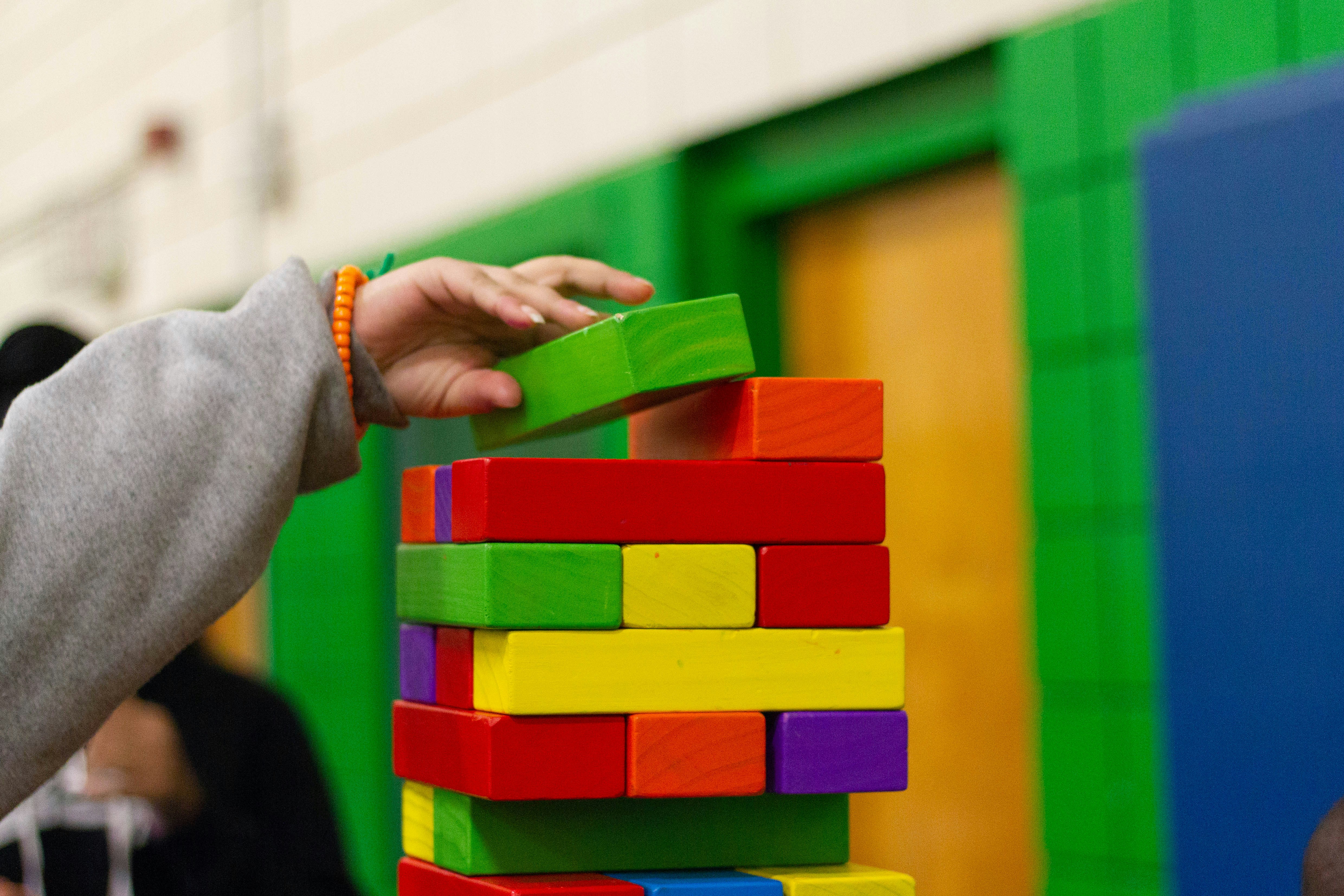
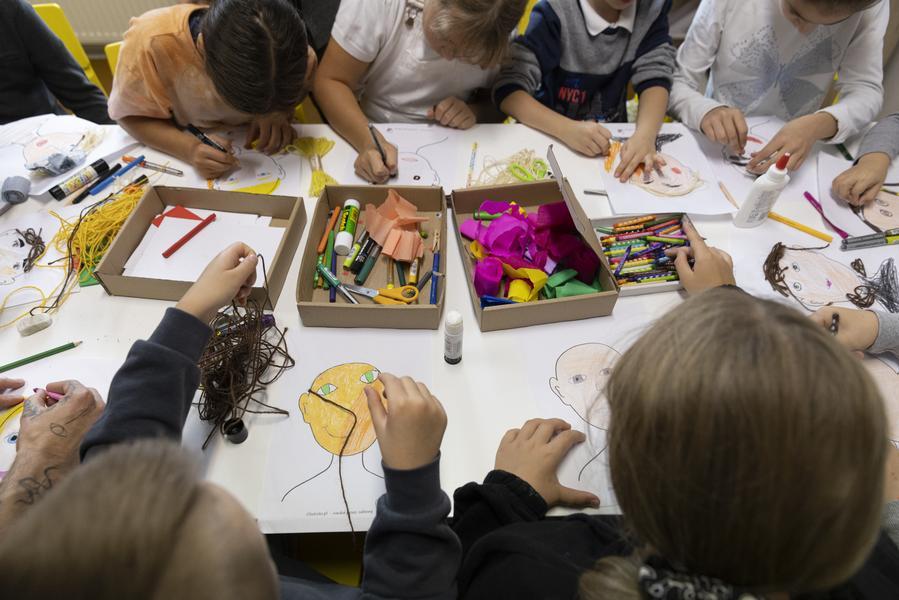
These environments provide opportunities for children to engage in open-ended play, sensory experiences, and imaginative activities that promote cognitive development, problem-solving skills, and socio-emotional competence. Play-based learning environments may be integrated into early childhood classrooms, childcare centers, and home-based settings, providing a developmentally appropriate approach to learning that fosters a love of learning and curiosity in young children.
