

Innovative Finance
August 1, 2024
Created On November 20, 2023 | Last Modified On September 17, 2025
Share on:


Poverty Action Fund (PAF) | Government
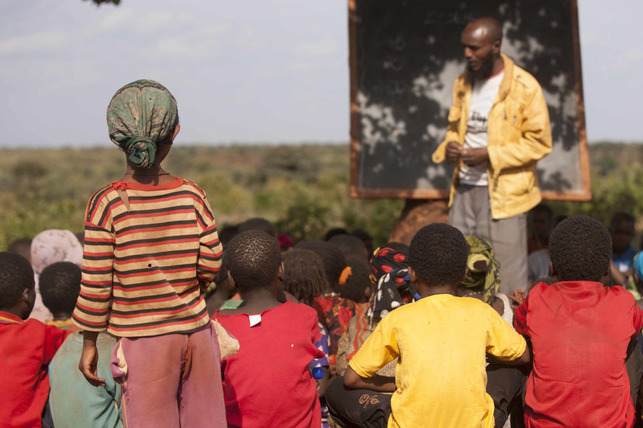
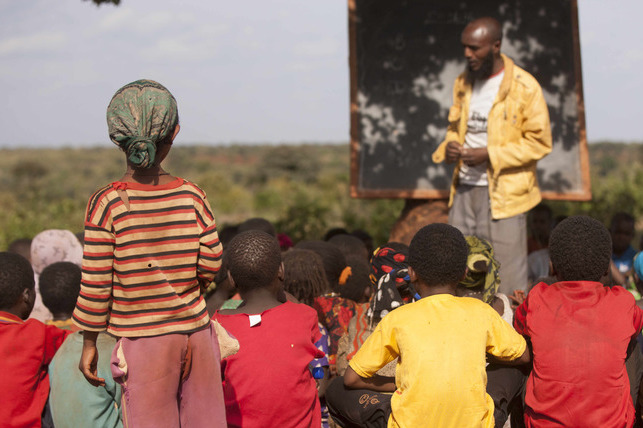
The Strengthening of School Facilities (SFG) program, initiated in 1998 under the Poverty Action Fund (PAF), aimed to bolster physical infrastructure in Uganda's most densely populated and underprivileged schools and communities. This initiative was a proactive response by the government to fulfill national and international commitments toward achieving universal primary education, as outlined in Education for All (EFA) and the Millennium Development Goals (MDGs).
The SFG program had three primary objectives: a) Promote equitable access to primary education. b) Build capacity within districts and local communities, particularly in procurement processes and site supervision, to ensure effective implementation of infrastructure projects. c) Alleviate poverty by investing in essential educational infrastructure.
Components: The SFG program consisted of three key components:
Despite its positive impact, the SFG program encountered several challenges:i. Conditional Nature: The program's focus on new infrastructure construction limited flexibility in allocating funds to rehabilitate existing school structures, even when renovation was more cost-effective. ii. Decision-Making Challenges: Local government officials faced difficulties making informed decisions regarding resource allocation, particularly when choosing between new construction and renovation. iii. Large Class Sizes: Overcrowded classrooms persisted as a significant challenge in Universal Primary Education (UPE) schools, impacting access to education and student retention rates.
School Facility grants are useful to provide resources that are essential for the school to become operational. Such interventions are useful in financing the schools to reduce the barriers related to education continuity. While the SFG program has made significant strides in enhancing educational infrastructure and access to primary education in Uganda, addressing its limitations, such as inflexibility in funding allocation and overcrowded classrooms, remains crucial for ensuring quality education for all. By adapting strategies to address these challenges, Uganda can further advance its commitment to providing inclusive and equitable education opportunities for its youth.
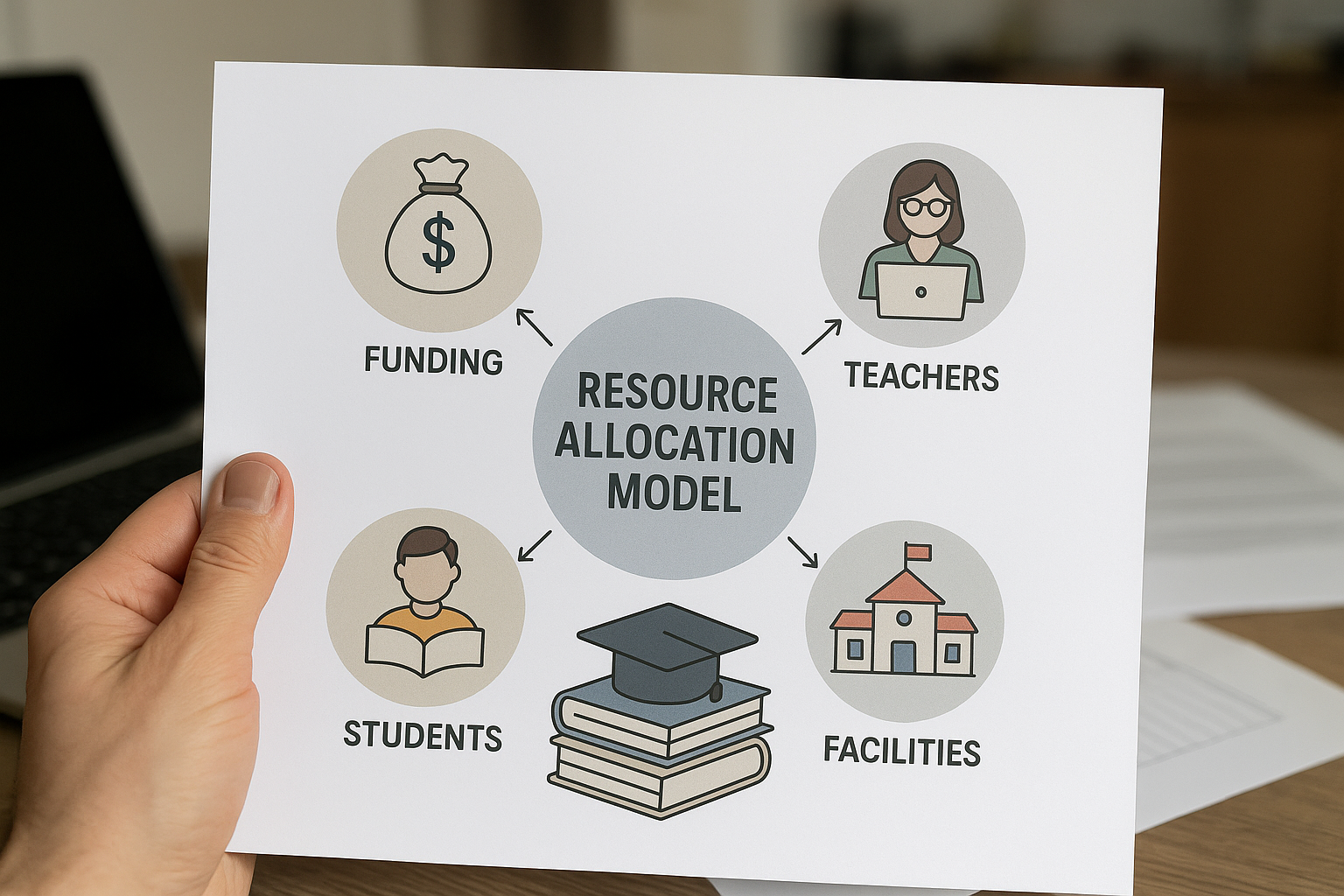
These policies advocate for Resource Allocation Models that ensure equitable funding and resources across educational institutions and student populations. Models such as per-pupil funding allocate resources based on student enrolment or specific student needs, ensuring that funds are directed where they are most needed. By adopting transparent and equitable resource allocation models, educational institutions can promote fairness, accountability, and excellence in delivering educational services.
