
Innovative Finance
August 1, 2024

Created On March 11, 2024 | Last Modified On November 19, 2024
Share on:


Humana People to People India (HPPI)
India, the world's largest democracy with a population of 1.2 billion, comprises 29 States and seven Union Territories, each with distinct socio-cultural contexts and varied geographic and climatic conditions. The country operates under a governing structure where the Centre and the States share responsibility for planning and executing development programs.
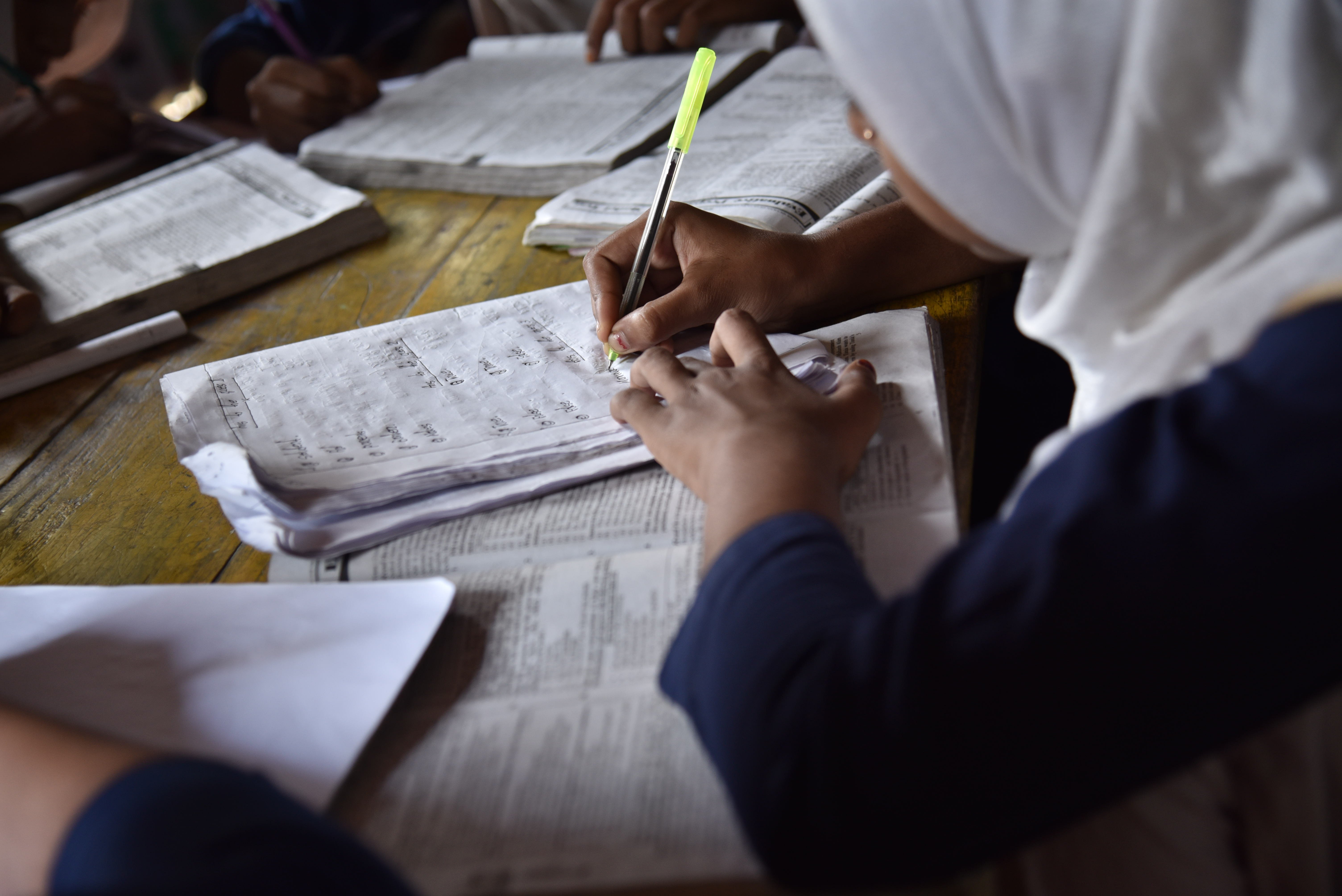
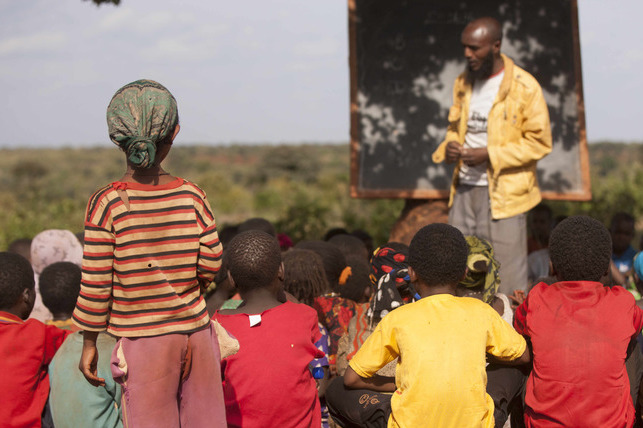
The Step-Up Centres for Out of School Children (SUC) project, spanning a three-year period, endeavors to enroll and integrate 30,000 out-of-school children (OOSC) into formal government schools. Primarily targeting the districts of Gurgaon and Mewat in Haryana and surrounding areas in the National Capital Region of Delhi, the project focuses on urban slums and rural areas. Before transitioning to formal schooling, students attended SUCs to prepare for successful integration and participation. Humana People to People India (HPPI), through the SUCs, aims to address barriers to OOSC enrollment and retention, such as low parental awareness, difficulties adjusting to formal school settings, and inadequately funded mainstreaming initiatives.
The impact of the SUC project has been significant, with 707 Step-Up Centers established, enrolling 52,161 out-of-school children. Remarkably, 34,980 of these children have successfully integrated into government schools, surpassing enrollment targets. Retention rates are 91% after 6 months and 80% over three years. The project has fostered inclusive engagement with stakeholders, trained over 2,000 government school teachers, and promoted parental involvement. Additionally, it has enhanced societal awareness and navigational skills among enrolled children. Overall, the SUC project has made substantial strides in ensuring equitable access to education in India.
The achievements outlined indicate significant progress toward ensuring equitable access to education for marginalized children in India.
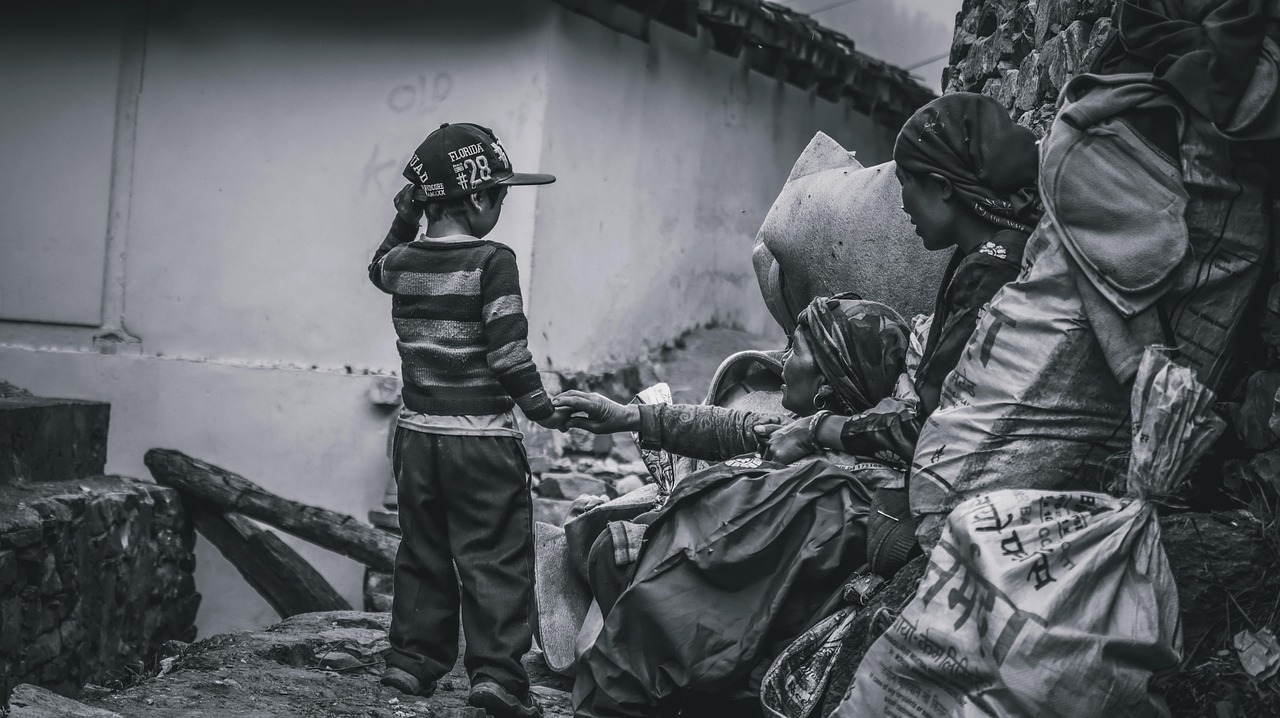
These initiatives involve actively engaging with marginalized communities, providing information about available educational resources and support services, and addressing specific barriers that may hinder access to education for these groups.
