Authors : Suzanne H. Hammad, Ph.D, Dr. Logan Cochrane
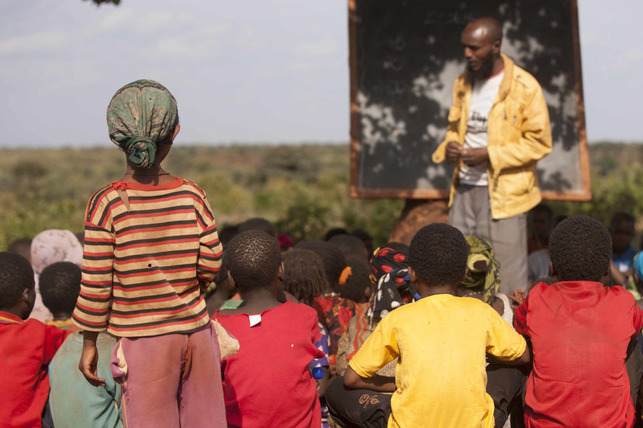
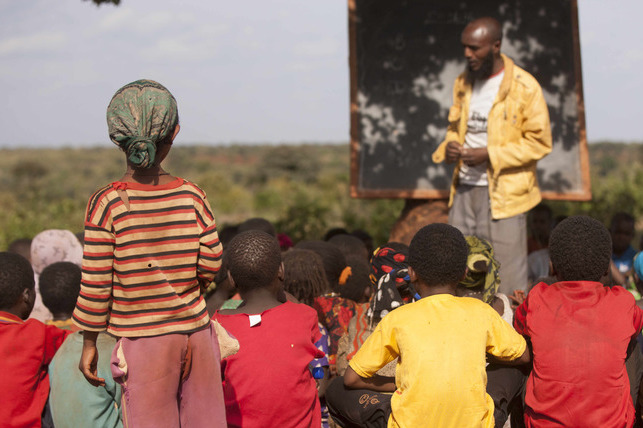
Education is a human right, and all children are entitled to quality and inclusive education no matter where they are. However, more than 30 million children and adolescents in sub-Saharan Africa are being denied this right, and the underlying reasons are not sufficiently investigated. This policy brief, "Addressing the Impact of Climate-Induced Environmental Shocks on Out-of-School Children in Ethiopia," explores how climate change, coupled with political instability and poor land management, disrupts education and increases the number of out-of-school children (OOSC).
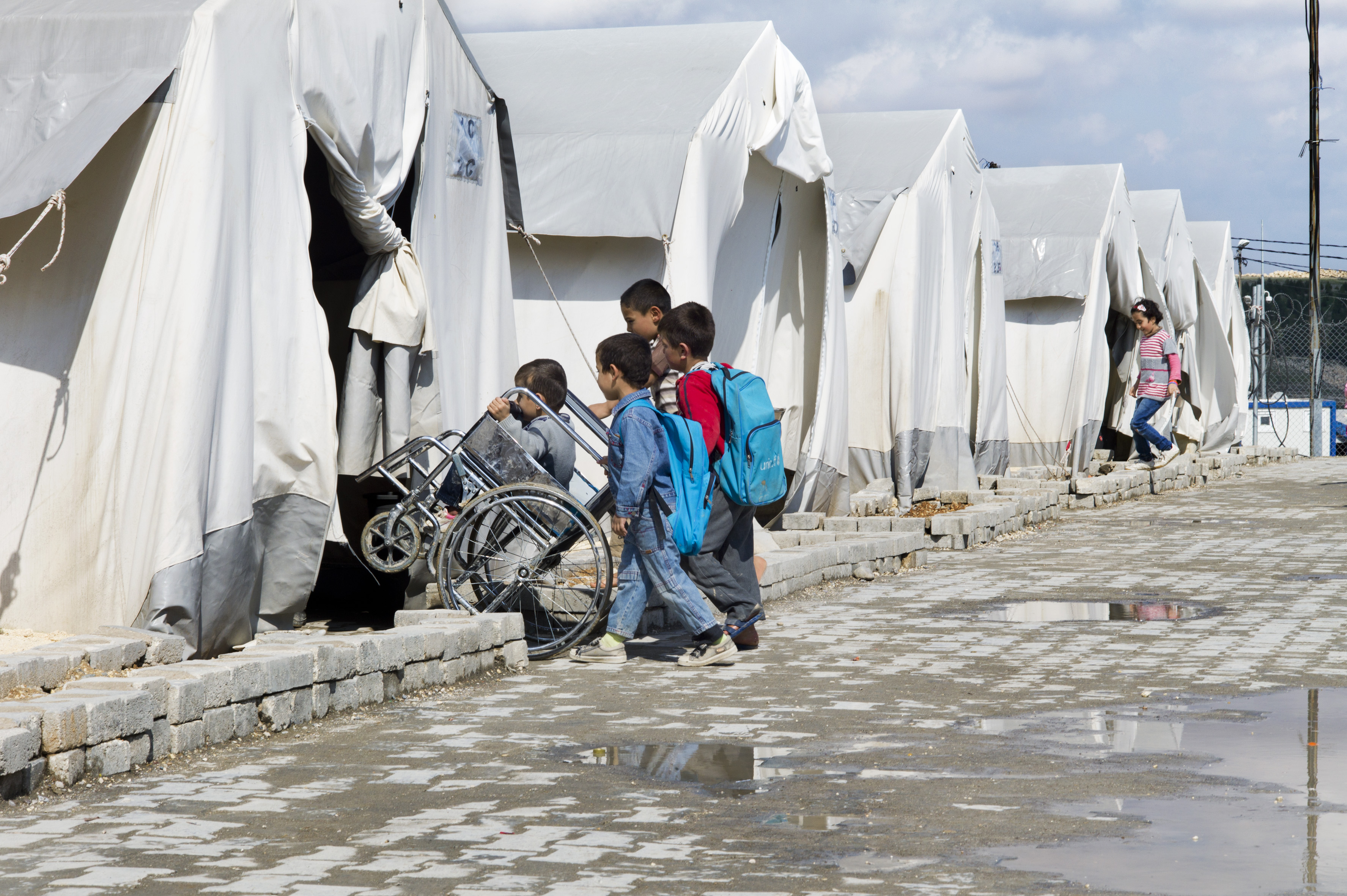
The conflict in Syria has had a devastating impact on the education system of the country. According to recent estimates, 2.4 million children (aged 5-17) are out of school, representing half of the child population in Syria (UNICEF, 2022). The brief highlights how attacks on schools, displacement, resource constraints, and politicization of education have eroded access, quality, and inclusiveness, undermining progress toward Sustainable Development Goal 4 (SDG 4).
Authors: Tesfaye Semela and Logan Cochrane
Approximately 244 million children lack access to education (UNESCO, 2022). Conflict is among the primary factors hindering their ability to attend school (Russell & Quaynor, 2017).
COUNTRY / REGION
BENEFICIARIES
THEMES
Access and equity policies
Protect Education in Insecurity and Conflict
Curriculum & Instruction Policies
Early Childhood Education Policies
Educational Technology Policies
Funding & Finance Policies
Health and well-being Policies
Higher Education & Lifelong Learning Policies
Quality and accountability Policies
School Choice & Completion Policies
Workforce Development & Vocational Education