






Innovative Finance
August 1, 2024


Innovative finance in the education sector aims to leverage new funding sources and mechanisms to improve educational outcomes and access. This policy brief explores various innovative financial instruments, their potential benefits, challenges, and provides recommendations for stakeholders. By incorporating strategies such as impact investing, public-private partnerships, and results-based financing, the education sector can address funding gaps to ensure reduction in out of school children and enhancement in the quality of education.

Quality and accountability Policies promote Curriculum Standardization and Enhancement to ensure consistency, coherence, and alignment with academic standards and educational goals. Standardized curricula provide clear learning objectives, content expectations, and instructional guidelines that guide teaching and learning across classrooms and schools. Curriculum enhancement efforts may involve updating curriculum materials, incorporating new research and best practices, and integrating relevant and engaging content to meet the needs of diverse learners. By standardizing and enhancing the curriculum, educational institutions can maintain high-quality standards and promote equitable access to rigorous and relevant education for all students.
These policies emphasize the importance of Teacher Professional Development Programs to support educators in improving their instructional practices and enhancing student learning outcomes. Professional development programs may include workshops, seminars, coaching, and mentoring opportunities focusing on pedagogical strategies, content knowledge, assessment practices, and cultural competence. By investing in ongoing professional development, schools can ensure that teachers have the skills, knowledge, and resources to deliver high-quality instruction and support student success.
Quality and accountability Policies prioritize developing and using Student Assessment and evaluation Tools to measure student learning outcomes and inform instructional practices. Assessment tools may include standardized tests, formative assessments, performance tasks, and portfolios that assess students' mastery of academic standards and competencies. Evaluation tools provide teachers, administrators, and policymakers with data on student progress, strengths, and areas for improvement. By using assessment and evaluation data effectively, educators can tailor instruction to meet individual student needs and drive continuous improvement in teaching and learning.
These policies advocate for implementing Performance-Based Funding Models that tie financial support for educational institutions to their performance outcomes. Under these models, funding allocations may be based on metrics such as student achievement, graduation rates, post-secondary readiness, and other indicators of educational effectiveness. Performance-based funding incentivizes schools to focus on improving student outcomes and encourages accountability for results. These models promote efficiency, equity, and accountability in resource allocation by aligning funding with performance goals.
Quality & Accountability Policies establish School Accreditation & Evaluation Systems to assess and ensure the quality of educational institutions and programs. Accreditation processes involve rigorous evaluations conducted by external accrediting bodies to determine whether schools meet established standards of quality and effectiveness. Evaluation systems may include criteria such as curriculum rigor, instructional quality, student achievement outcomes, and school leadership practices. By holding schools accountable for meeting predetermined standards, accreditation and evaluation systems promote continuous improvement and accountability in education.
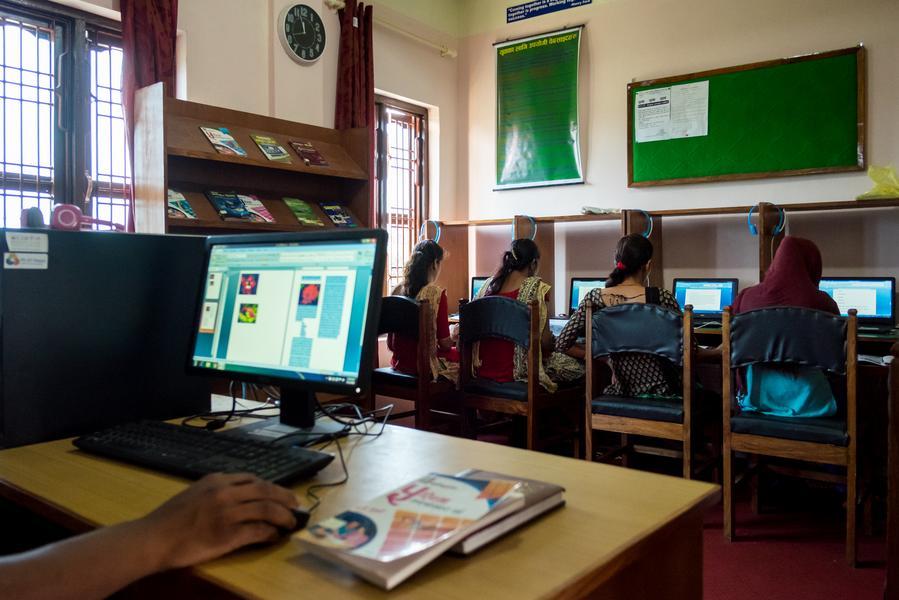
These policies emphasize the importance of Digital Literacy & Technology Integration in preparing students to thrive in a digital world. Digital literacy initiatives provide students with the knowledge, skills, and competencies to navigate, evaluate, and responsibly create digital content. Technology integration involves incorporating digital tools, resources, and platforms into teaching and learning activities to enhance engagement, collaboration, and productivity. By promoting digital literacy and technology integration, educational institutions can empower students to become effective digital citizens and leverage technology for learning, communication, and creativity.
Curriculum & Instruction Policies advocate for developing Multicultural and Inclusive Curriculum Projects that reflect the diversity of students' backgrounds, experiences, and identities. These projects integrate diverse perspectives, voices, and cultural content into the curriculum to promote cultural competence, empathy, and global citizenship. Multicultural and inclusive curriculum projects may incorporate literature, history, art, and other subjects representing diverse cultures and perspectives. By embracing multicultural and inclusive education, educational institutions can create learning environments that honor and celebrate diversity and promote equity and inclusion for all students.
These policies prioritize the implementation of STEM (Science, Technology, Engineering, and Mathematics) Education Initiatives to cultivate students' interest and proficiency in STEM disciplines. STEM education emphasizes hands-on, inquiry-based learning experiences that integrate concepts and skills from multiple disciplines to solve real-world problems. STEM initiatives may include STEM-focused curriculum development, professional development for educators, STEM enrichment programs, and partnerships with industry and research institutions. By promoting STEM education, these policies aim to prepare students for careers in high-demand fields and foster innovation and technological advancement.
Curriculum & Instruction Policies advocate for adopting Innovative Pedagogical Approaches that promote student-centered learning, critical thinking, creativity, and problem-solving skills. These approaches may include project-based, inquiry-based, flipped classrooms and experiential learning opportunities that engage students in active exploration and discovery. By embracing innovative pedagogies, educational institutions can foster a culture of lifelong learning and empower students to become self-directed, lifelong learners.
Educational technology policies prioritize providing technology training for teachers and students to ensure they have the skills and competencies to use educational technology tools and resources effectively. Professional development programs offer teachers training on integrating technology into their instructional practices, designing engaging digital learning experiences, and utilizing data analytics to inform their teaching. Similarly, students receive training on digital literacy, online safety, and responsible technology to empower them as digital learners. By investing in technology training, educational institutions can empower teachers and students to harness the potential of educational technology for enhanced teaching and learning experiences.
These policies promote the adoption of E-Learning Platforms and Digital Classrooms to facilitate online learning and collaboration. E-learning platforms provide a virtual space where students can access course materials, participate in discussions, submit assignments, and engage in interactive learning activities. Digital classrooms leverage video conferencing, chat, and collaboration tools to replicate the traditional classroom experience in an online environment. By embracing e-learning platforms and digital classrooms, educational institutions can offer flexible and accessible learning opportunities that accommodate diverse learning needs and preferences.
These policies support collecting, analyzing, and interpreting educational data from various sources, such as learning management systems, student information systems, and assessment platforms. Data analytics tools enable educators and administrators to identify trends, monitor student progress, personalize instruction, and allocate resources effectively. By harnessing the power of data analytics, educational institutions can make data-driven decisions that enhance the overall quality and efficiency of educational programs and services.
These policies promote the use of online assessment and credentialing tools to assess student learning outcomes and issue credentials in digital formats. Online assessment tools may include quizzes, tests, and interactive assignments delivered through learning management systems or dedicated assessment platforms. Credentialing systems may utilize digital badges, certificates, or micro-credentials to recognize and validate students' achievements and competencies.
This may involve investing in high-speed internet connectivity, upgrading network infrastructure, and providing devices such as laptops, tablets, and mobile devices to students and educators. By expanding access to digital resources and technology infrastructure, these policies aim to bridge the digital divide and create a more inclusive learning environment.
Quality childcare programs adhere to research-based health, safety, curriculum, and teacher qualifications standards. They offer age-appropriate activities, materials, and experiences that support children's holistic development and prepare them for success in school and life. Quality childcare programs may also provide professional development opportunities for early childhood educators to enhance their knowledge and skills in providing high-quality care and education.
These environments provide opportunities for children to engage in open-ended play, sensory experiences, and imaginative activities that promote cognitive development, problem-solving skills, and socio-emotional competence. Play-based learning environments may be integrated into early childhood classrooms, childcare centers, and home-based settings, providing a developmentally appropriate approach to learning that fosters a love of learning and curiosity in young children.
This may include speech therapy, occupational therapy, physical therapy, and specialized instruction tailored to meet the needs of children with developmental challenges. These policies help children reach their full potential and succeed in school and beyond by addressing developmental concerns early.
These initiatives may involve expanding access to publicly funded pre-K programs, increasing the availability of affordable childcare options, and providing subsidies or vouchers to families to cover the cost of early education services. By investing in universal pre-K, these policies aim to provide inclusivity for all children and set a foundation that results in future academic success.
They promote Parental Involvement & Education by offering resources, workshops, and support services to help parents become active participants in their children's education. This may include parenting classes, home visitation programs, family literacy initiatives, and opportunities for parents to engage in their child's learning activities at home and in educational settings.
These programs provide targeted training and skill development opportunities that directly align with the requirements of industries such as healthcare, manufacturing, information technology, or construction. Industry-specific training programs equip individuals with specialized skills and knowledge that are highly valued in the workforce, increasing their employability and career prospects.
These policies emphasize the importance of conducting regular Labor Market Analysis & Needs Assessments to identify current and future skill demands in various industries and sectors. Policymakers can make informed decisions about designing and delivering vocational education and training programs by analyzing labor market trends, job growth projections, and skill requirements. This ensures that educational offerings align with the needs of employers and provide individuals with the skills and competencies required for in-demand jobs.
Workforce Development & Vocational Education Policies promote the implementation of Dual Education Systems, which combine classroom instruction with hands-on training in workplace settings. In these systems, students alternate between academic coursework at educational institutions and practical experience with employers, allowing them to acquire theoretical knowledge and practical skills relevant to their chosen career paths. Dual education systems ensure that students are well-prepared for the demands of the workforce and provide seamless transitions into employment upon graduation.
These policies advocate for Resource Allocation Models that ensure equitable funding and resources across educational institutions and student populations. Models such as per-pupil funding allocate resources based on student enrolment or specific student needs, ensuring that funds are directed where they are most needed. By adopting transparent and equitable resource allocation models, educational institutions can promote fairness, accountability, and excellence in delivering educational services.
Funding and finance Policies promote collaboration through Public-Private Partnerships to leverage resources, expertise, and innovation from the public and private sectors. These partnerships may involve joint ventures, research collaborations, sponsorship agreements, and philanthropic investments aimed at supporting educational initiatives. By harnessing the strengths of both sectors, public-private partnerships can enhance the quality, reach, and sustainability of educational programs and services.
These policies prioritize providing Financial Aid and Tuition Assistance Programs to make education more accessible and affordable for students, particularly those from disadvantaged backgrounds. Financial aid may include grants, scholarships, loans, work-study opportunities, and emergency funds to help students cover tuition fees, living expenses, and other educational costs. By reducing financial barriers to education, these programs enable students to pursue their academic aspirations and achieve their full potential.
Funding and finance Policies emphasize the implementation of Cost-Efficiency Projects aimed at optimizing the use of financial resources within educational institutions. These projects may include initiatives to streamline administrative processes, reduce overhead costs, improve energy efficiency, and negotiate favorable procurement contracts. Institutions can free up resources to invest in priority areas such as instructional quality, student support services, and infrastructure improvements by promoting cost-efficiency.
These policies prioritize allocating resources to support the integration and utilization of Educational Technology in educational settings. This funding may cover acquiring hardware, software, digital learning platforms, internet connectivity, and professional development for educators related to technology integration. By investing in educational technology, institutions can enhance teaching and learning experiences, facilitate personalized learning, and prepare students with essential digital skills for the future workforce.
Career counseling services offer guidance on career exploration, skill assessment, resume writing, interview preparation, and job search strategies. Job placement services facilitate connections between individuals and employers, helping them secure internships, apprenticeships, and full-time employment opportunities that match their skills and interests.
Workforce Development & Vocational Education Policies support the development of Industry-Specific Training Programs tailored to the needs of specific sectors and occupations. These programs provide targeted training and skill development opportunities that directly align with the requirements of industries such as healthcare, manufacturing, information technology, or construction. Industry-specific training programs equip individuals with specialized skills and knowledge that are highly valued in the workforce, increasing their employability and career prospects.
These projects may include scholarships, financial aid programs, outreach initiatives, and support services to reduce barriers to entry and promote equitable access to higher education opportunities. By addressing socioeconomic, geographic, and systemic barriers, these policies ensure that all individuals can pursue higher education and lifelong learning, regardless of their circumstances.
These programs combine classroom instruction with on-the-job training, allowing participants to develop valuable skills, earn industry-recognized certifications, and gain relevant work experience. Integrating vocational training and apprenticeship programs into the higher education landscape, these policies help bridge the gap between education and employment and equip individuals with the skills needed to succeed in high-demand fields.
These initiatives may include adult education programs, continuing education courses, professional development workshops, and certificate programs designed to meet the needs of adult learners and working professionals. By offering flexible and accessible learning opportunities, these initiatives enable individuals to acquire new skills, enhance their qualifications, and adapt to changing career demands.
These policies may include government grants, scholarships, and research funding programs to advance knowledge creation, technological innovation, and scientific discovery. By investing in research and innovation, higher education institutions can contribute to economic growth, drive technological advancements, and provide students with valuable research opportunities and experiences.
These partnerships may involve joint research projects, internship opportunities, curriculum development initiatives, and industry-sponsored training programs. By engaging with industries, academic institutions can ensure that their programs are relevant and up-to-date and equip students with the skills and knowledge required for success in the workforce.
These services may include counseling sessions with trained professionals, support groups, and resources for coping with stress, anxiety, depression, and other mental health challenges. Additionally, these policies may prioritize destigmatizing mental health issues, raising awareness, and promoting positive mental health practices throughout the school community.
These policies include measures to prevent bullying, harassment, and violence and procedures for responding to safety concerns and emergencies. Additionally, safe school environments may involve initiatives to promote inclusivity, respect, and empathy among students and staff, fostering a sense of belonging and security for all members of the school community.
These programs offer balanced meals that meet nutritional guidelines, incorporate fresh fruits and vegetables, and limit processed foods high in sugar, salt, and unhealthy fats. Additionally, these policies may include nutrition education initiatives that teach students the importance of healthy eating and empower them to make nutritious food choices.
These programs provide age-appropriate education on the risks and consequences of substance abuse, teach refusal skills, and promote positive alternatives to drug use. Additionally, these policies may include strategies for early intervention and support services for students at risk of substance abuse.
These initiatives include structured physical education classes, extracurricular sports programs, and opportunities for active play during recess and breaks. By providing ample opportunities for physical activity, these policies aim to improve cardiovascular health, enhance physical fitness, and instill lifelong habits of healthy living.
These platforms utilize technology to deliver instruction and resources in virtual or hybrid environments, allowing students to access educational content anytime, anywhere, and at their own pace. By incorporating Online and blended Learning Platforms into the educational landscape, these policies expand access to high-quality education, accommodate diverse learning needs and preferences, and support students in completing their academic requirements and achieving their educational goals.
These policies provide financial assistance directly to families, allowing them to use vouchers or savings accounts to cover the costs of tuition, fees, and other educational expenses at private schools, charter schools, or other educational providers. By offering financial support to families, Voucher Systems and Education Savings Accounts enable students to access educational opportunities that may otherwise be financially out of reach, ultimately increasing their chances of completing their education and achieving academic success.
These policies support initiatives that foster collaboration between schools, families, and communities to ensure students receive the support and resources needed to succeed academically and graduate high school. Community & Parental Engagement Projects may include parent workshops, community forums, volunteer opportunities, and partnerships with local organizations to enhance student learning and promote school completion.
These policies allow students and families to choose from various school models and specialized programs that align with their interests, learning styles, and academic goals. Charter Schools offer alternative educational approaches, often with more flexibility in curriculum and teaching methods. At the same time, Magnet Programs focus on specific themes or areas of study to attract students with interests or talents. By expanding school choice through Charter Schools and Magnet Programs, these policies aim to enhance educational opportunities and promote student engagement and success.
Special Education Services to support students with disabilities and special learning needs. These services ensure that students with disabilities receive the appropriate accommodations, interventions, and support to access and inclusively participate in educational programs.
These initiatives involve actively engaging with marginalized communities, providing information about available educational resources and support services, and addressing specific barriers that may hinder access to education for these groups.
Scholarship Programs aimed at reducing financial barriers to education and increasing access for low-income or underrepresented students. These programs provide financial assistance to eligible students, enabling them to pursue higher education and access opportunities that might otherwise be out of reach due to financial constraints.
Language Support Programs address language barriers that may hinder certain groups of students from fully participating in educational activities. These programs offer language instruction and support services to students with limited proficiency in the language of instruction, ensuring they have equitable access to the curriculum and educational resources.
Transportation & accessibility involve providing transportation services for students who live in remote areas or face mobility challenges and ensuring that school facilities are fully accessible to students with disabilities.
Curriculum and instruction Policies prioritize Environmental and Sustainability Education to promote ecological literacy, environmental stewardship, and sustainable practices. These initiatives integrate environmental concepts, principles, and issues into the curriculum across various subjects, such as science, social studies, and geography. Environmental and sustainability education may involve hands-on learning experiences, outdoor education opportunities, and community-based projects that raise awareness of environmental challenges and inspire action for positive change.
Policy catering for the needs of early childhood development.