




Innovative Finance
August 1, 2024



School Choice and completion Policies in education are made to a set of guidelines and initiatives to provide students and their families with options for selecting educational opportunities that best meet their needs and preferences and make efforts to ensure that students successfully complete their educational journey.
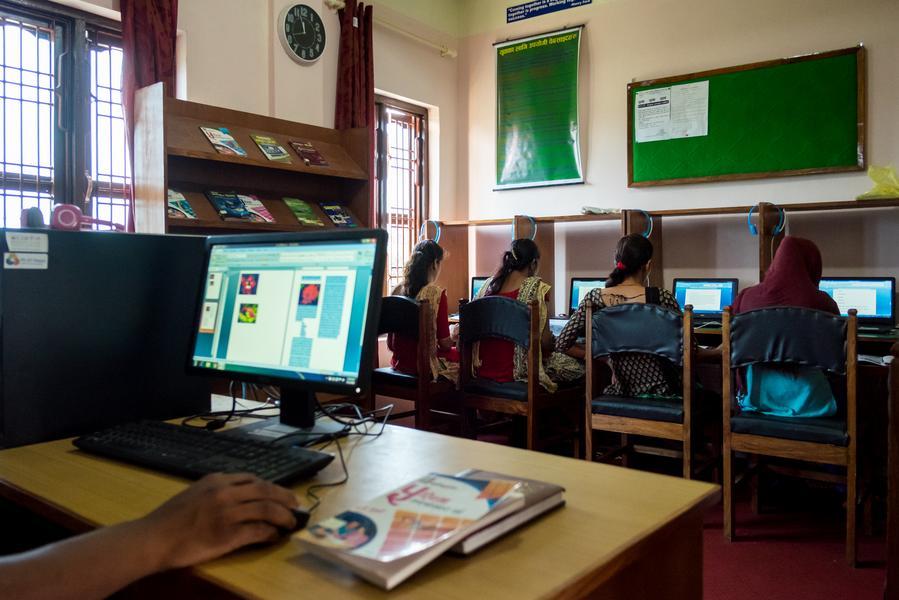
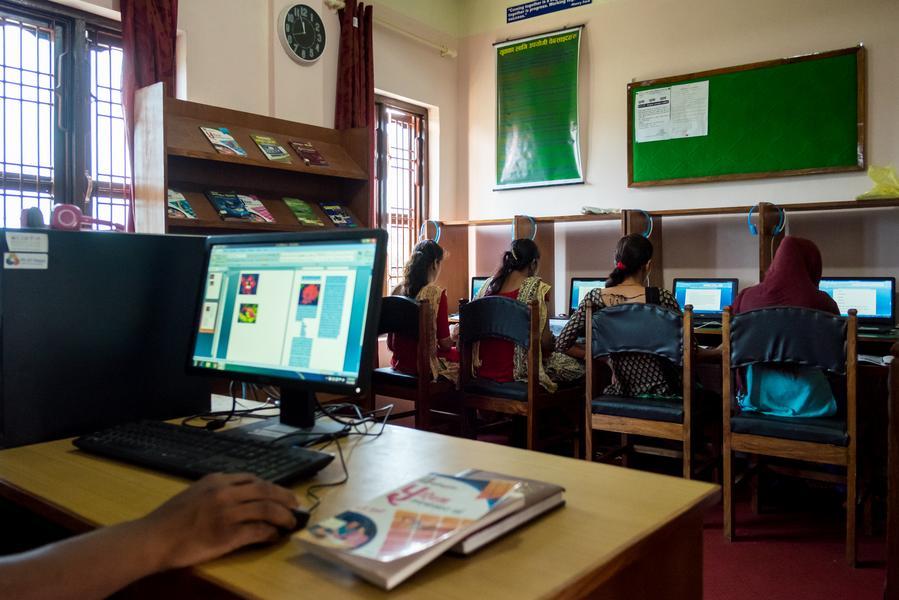
These platforms utilize technology to deliver instruction and resources in virtual or hybrid environments, allowing students to access educational content anytime, anywhere, and at their own pace. By incorporating Online and blended Learning Platforms into the educational landscape, these policies expand access to high-quality education, accommodate diverse learning needs and preferences, and support students in completing their academic requirements and achieving their educational goals.

These policies support initiatives that foster collaboration between schools, families, and communities to ensure students receive the support and resources needed to succeed academically and graduate high school. Community & Parental Engagement Projects may include parent workshops, community forums, volunteer opportunities, and partnerships with local organizations to enhance student learning and promote school completion.
These policies allow students and families to choose from various school models and specialized programs that align with their interests, learning styles, and academic goals. Charter Schools offer alternative educational approaches, often with more flexibility in curriculum and teaching methods. At the same time, Magnet Programs focus on specific themes or areas of study to attract students with interests or talents. By expanding school choice through Charter Schools and Magnet Programs, these policies aim to enhance educational opportunities and promote student engagement and success.
Curriculum and instruction Policies prioritize Environmental and Sustainability Education to promote ecological literacy, environmental stewardship, and sustainable practices. These initiatives integrate environmental concepts, principles, and issues into the curriculum across various subjects, such as science, social studies, and geography. Environmental and sustainability education may involve hands-on learning experiences, outdoor education opportunities, and community-based projects that raise awareness of environmental challenges and inspire action for positive change.