







Innovative Finance
August 1, 2024

Created On December 16, 2024 | Last Modified On December 30, 2024
Share on:



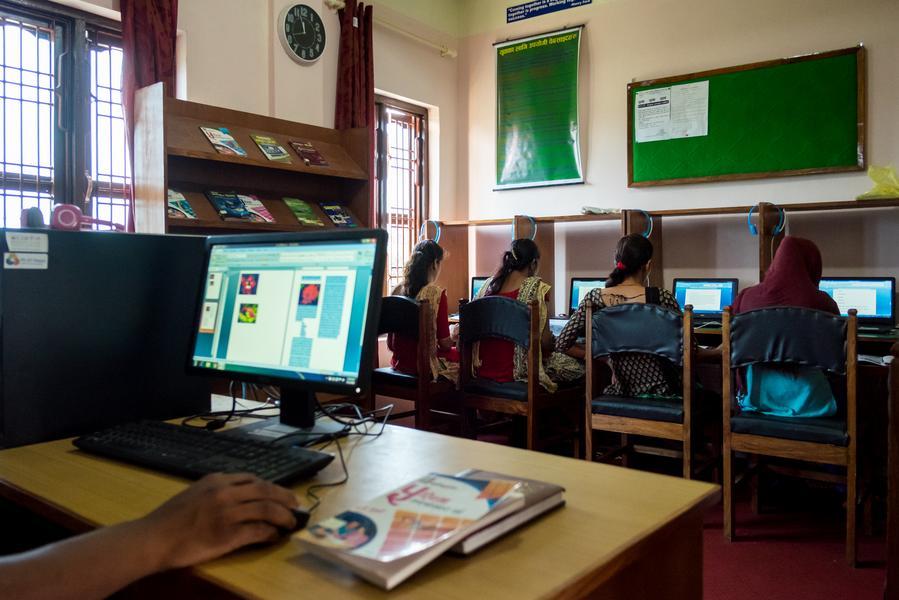
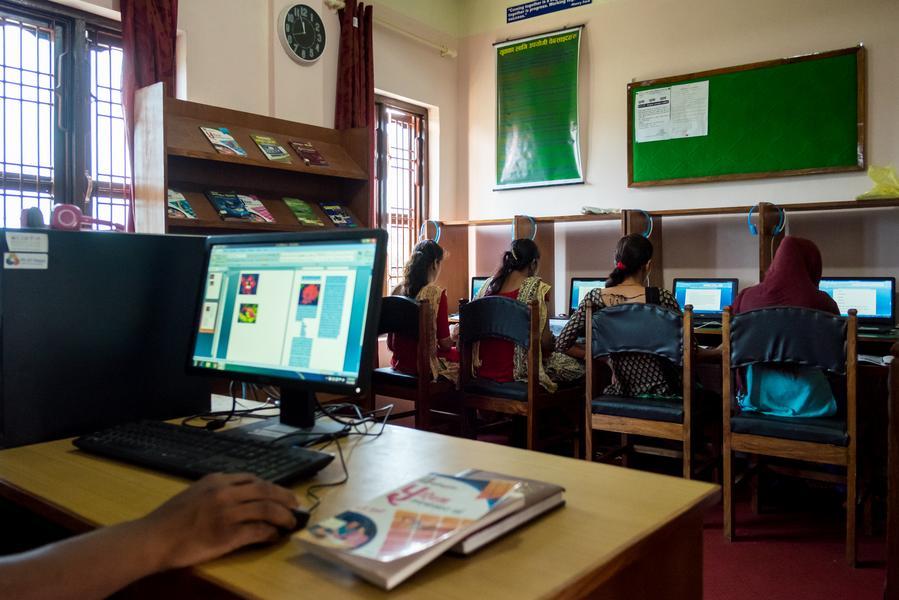
Educational technology policies prioritize providing technology training for teachers and students to ensure they have the skills and competencies to use educational technology tools and resources effectively. Professional development programs offer teachers training on integrating technology into their instructional practices, designing engaging digital learning experiences, and utilizing data analytics to inform their teaching. Similarly, students receive training on digital literacy, online safety, and responsible technology to empower them as digital learners. By investing in technology training, educational institutions can empower teachers and students to harness the potential of educational technology for enhanced teaching and learning experiences.


These policies promote the adoption of E-Learning Platforms and Digital Classrooms to facilitate online learning and collaboration. E-learning platforms provide a virtual space where students can access course materials, participate in discussions, submit assignments, and engage in interactive learning activities. Digital classrooms leverage video conferencing, chat, and collaboration tools to replicate the traditional classroom experience in an online environment. By embracing e-learning platforms and digital classrooms, educational institutions can offer flexible and accessible learning opportunities that accommodate diverse learning needs and preferences.

These policies support collecting, analyzing, and interpreting educational data from various sources, such as learning management systems, student information systems, and assessment platforms. Data analytics tools enable educators and administrators to identify trends, monitor student progress, personalize instruction, and allocate resources effectively. By harnessing the power of data analytics, educational institutions can make data-driven decisions that enhance the overall quality and efficiency of educational programs and services.

These policies promote the use of online assessment and credentialing tools to assess student learning outcomes and issue credentials in digital formats. Online assessment tools may include quizzes, tests, and interactive assignments delivered through learning management systems or dedicated assessment platforms. Credentialing systems may utilize digital badges, certificates, or micro-credentials to recognize and validate students' achievements and competencies.

This may involve investing in high-speed internet connectivity, upgrading network infrastructure, and providing devices such as laptops, tablets, and mobile devices to students and educators. By expanding access to digital resources and technology infrastructure, these policies aim to bridge the digital divide and create a more inclusive learning environment.

Quality childcare programs adhere to research-based health, safety, curriculum, and teacher qualifications standards. They offer age-appropriate activities, materials, and experiences that support children's holistic development and prepare them for success in school and life. Quality childcare programs may also provide professional development opportunities for early childhood educators to enhance their knowledge and skills in providing high-quality care and education.

These environments provide opportunities for children to engage in open-ended play, sensory experiences, and imaginative activities that promote cognitive development, problem-solving skills, and socio-emotional competence. Play-based learning environments may be integrated into early childhood classrooms, childcare centers, and home-based settings, providing a developmentally appropriate approach to learning that fosters a love of learning and curiosity in young children.

This may include speech therapy, occupational therapy, physical therapy, and specialized instruction tailored to meet the needs of children with developmental challenges. These policies help children reach their full potential and succeed in school and beyond by addressing developmental concerns early.

These initiatives may involve expanding access to publicly funded pre-K programs, increasing the availability of affordable childcare options, and providing subsidies or vouchers to families to cover the cost of early education services. By investing in universal pre-K, these policies aim to provide inclusivity for all children and set a foundation that results in future academic success.

They promote Parental Involvement & Education by offering resources, workshops, and support services to help parents become active participants in their children's education. This may include parenting classes, home visitation programs, family literacy initiatives, and opportunities for parents to engage in their child's learning activities at home and in educational settings.