







Innovative Finance
August 1, 2024

Created On December 16, 2024 | Last Modified On December 30, 2024
Share on:



These programs provide targeted training and skill development opportunities that directly align with the requirements of industries such as healthcare, manufacturing, information technology, or construction. Industry-specific training programs equip individuals with specialized skills and knowledge that are highly valued in the workforce, increasing their employability and career prospects.


These policies emphasize the importance of conducting regular Labor Market Analysis & Needs Assessments to identify current and future skill demands in various industries and sectors. Policymakers can make informed decisions about designing and delivering vocational education and training programs by analyzing labor market trends, job growth projections, and skill requirements. This ensures that educational offerings align with the needs of employers and provide individuals with the skills and competencies required for in-demand jobs.

Workforce Development & Vocational Education Policies promote the implementation of Dual Education Systems, which combine classroom instruction with hands-on training in workplace settings. In these systems, students alternate between academic coursework at educational institutions and practical experience with employers, allowing them to acquire theoretical knowledge and practical skills relevant to their chosen career paths. Dual education systems ensure that students are well-prepared for the demands of the workforce and provide seamless transitions into employment upon graduation.
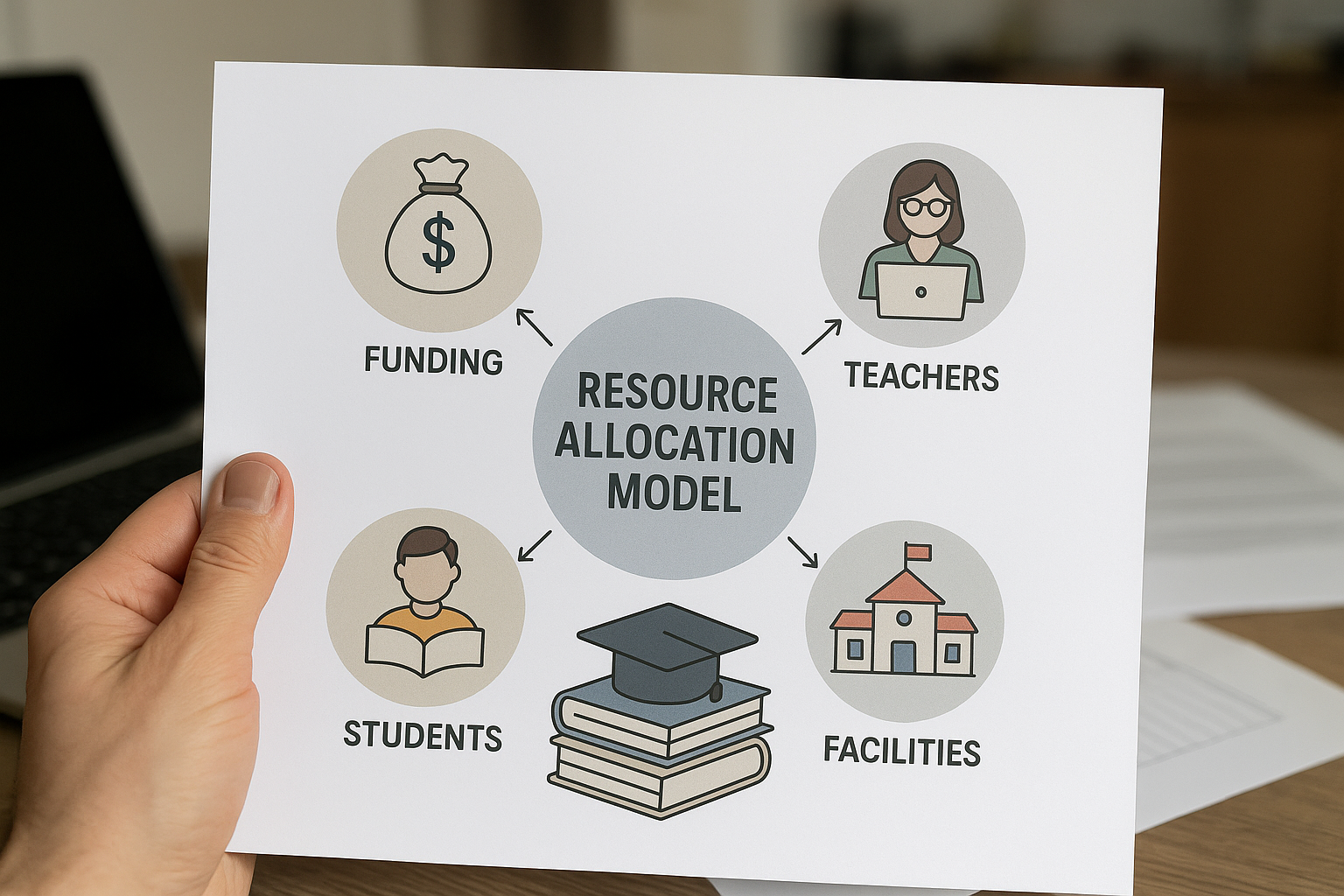
These policies advocate for Resource Allocation Models that ensure equitable funding and resources across educational institutions and student populations. Models such as per-pupil funding allocate resources based on student enrolment or specific student needs, ensuring that funds are directed where they are most needed. By adopting transparent and equitable resource allocation models, educational institutions can promote fairness, accountability, and excellence in delivering educational services.

Funding and finance Policies promote collaboration through Public-Private Partnerships to leverage resources, expertise, and innovation from the public and private sectors. These partnerships may involve joint ventures, research collaborations, sponsorship agreements, and philanthropic investments aimed at supporting educational initiatives. By harnessing the strengths of both sectors, public-private partnerships can enhance the quality, reach, and sustainability of educational programs and services.

These policies prioritize providing Financial Aid and Tuition Assistance Programs to make education more accessible and affordable for students, particularly those from disadvantaged backgrounds. Financial aid may include grants, scholarships, loans, work-study opportunities, and emergency funds to help students cover tuition fees, living expenses, and other educational costs. By reducing financial barriers to education, these programs enable students to pursue their academic aspirations and achieve their full potential.

Funding and finance Policies emphasize the implementation of Cost-Efficiency Projects aimed at optimizing the use of financial resources within educational institutions. These projects may include initiatives to streamline administrative processes, reduce overhead costs, improve energy efficiency, and negotiate favorable procurement contracts. Institutions can free up resources to invest in priority areas such as instructional quality, student support services, and infrastructure improvements by promoting cost-efficiency.

These policies prioritize allocating resources to support the integration and utilization of Educational Technology in educational settings. This funding may cover acquiring hardware, software, digital learning platforms, internet connectivity, and professional development for educators related to technology integration. By investing in educational technology, institutions can enhance teaching and learning experiences, facilitate personalized learning, and prepare students with essential digital skills for the future workforce.

Career counseling services offer guidance on career exploration, skill assessment, resume writing, interview preparation, and job search strategies. Job placement services facilitate connections between individuals and employers, helping them secure internships, apprenticeships, and full-time employment opportunities that match their skills and interests.

Workforce Development & Vocational Education Policies support the development of Industry-Specific Training Programs tailored to the needs of specific sectors and occupations. These programs provide targeted training and skill development opportunities that directly align with the requirements of industries such as healthcare, manufacturing, information technology, or construction. Industry-specific training programs equip individuals with specialized skills and knowledge that are highly valued in the workforce, increasing their employability and career prospects.